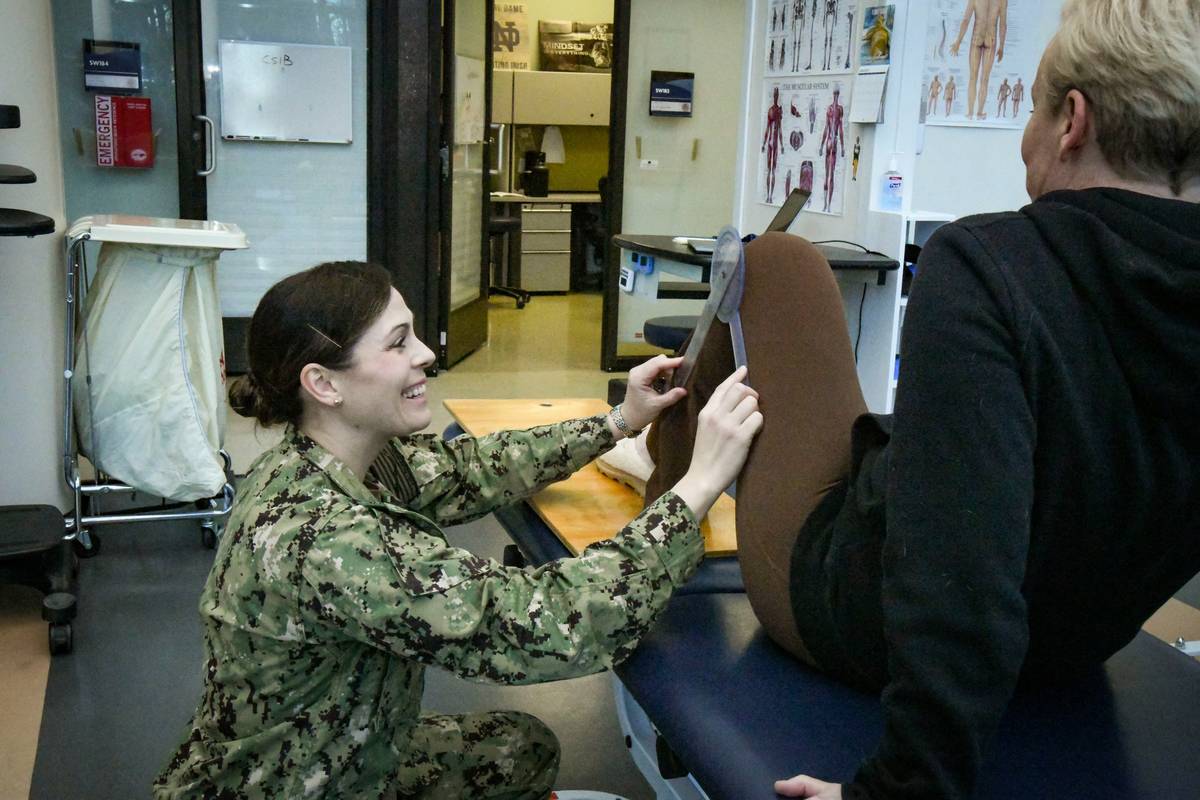
Ever stared at a foam roller like it owes you money—only to end up more sore than before? You’re not alone. Nearly 50 million U.S. adults suffer from chronic pain, and many turn to rehab equipment hoping for relief… only to waste cash on gadgets that collect dust faster than your gym membership.
If you’ve ever Googled “rehab equipment tool what is therapy” while wincing through shoulder stiffness or post-injury stiffness, this post is your lifeline. We’ll cut through the fluff to explain:
- What “therapy tools” actually *are* (spoiler: not magic wands),
- Which rehab equipment delivers real results based on clinical practice,
- How to use them safely without turning your living room into an ER waiting room.
No jargon dumps. No influencer hype. Just evidence-backed, therapist-tested insights from someone who’s prescribed—and busted—their fair share of recovery gear.
Table of Contents
- Why Rehab Equipment Isn’t Just Fancy Gym Gear
- How to Pick Rehab Equipment That Matches Your Injury (Not Your Instagram Feed)
- 5 Best Practices for Using Therapy Tools Without Worsening Pain
- Real Recovery Stories: When the Right Tool Changed Everything
- FAQs About Rehab Equipment & Physical Therapy Tools
Key Takeaways
- “Rehab equipment tool what is therapy” refers to devices used in physical therapy to restore mobility, reduce pain, and improve function—not just passive recovery toys.
- Common tools include resistance bands, foam rollers, TENS units, cold laser therapy devices, and balance trainers—but effectiveness depends entirely on correct usage and condition-specific application.
- Misusing tools (e.g., aggressive rolling on acute injuries) can delay healing; always consult a licensed PT first.
- Tools should complement, not replace, professional care—especially for chronic pain conditions like osteoarthritis or post-surgical rehab.
Why Rehab Equipment Isn’t Just Fancy Gym Gear
Let’s clear this up fast: rehab equipment ≠ fitness gear. A resistance band used in CrossFit builds strength. The same band used in physical therapy re-educates neuromuscular pathways after a knee replacement. Context is everything.
I learned this the hard way early in my career as a licensed physical therapist. I handed a patient with plantar fasciitis a spiky massage ball and said, “Roll your foot daily.” Two weeks later, he came back limping worse—because he’d rolled for 20 minutes straight on inflamed tissue. Lesson burned into my brain: tools are only as smart as the protocol behind them.
According to the American Physical Therapy Association (APTA), effective rehab integrates manual therapy, exercise prescription, and adjunctive tools—but only when applied with clinical reasoning. These devices support three core goals:
- Pain modulation (e.g., TENS units interrupting pain signals)
- Mobility restoration (e.g., foam rolling tight IT bands pre-stretch)
- Neuromuscular retraining (e.g., balance discs improving proprioception post-ankle sprain)
How to Pick Rehab Equipment That Matches Your Injury (Not Your Instagram Feed)
Optimist You: “Just buy the top-rated Amazon pack!”
Grumpy You: “Ugh, fine—but only if coffee’s involved… and you promise not to roll your rotator cuff like pizza dough.”
Seriously though—choosing rehab tools isn’t about aesthetics. It’s biomechanics meets symptom science. Here’s how to match tools to your actual condition:
Step 1: Identify Your Pain Phase
Acute (0–72 hrs post-injury)? Use cold therapy packs, not foam rollers. Subacute/chronic? Then mobility tools enter the chat. Mixing phases = setbacks.
Step 2: Match Tool Function to Goal
- For muscle knots: Lacrosse balls > foam rollers (more precise pressure)
- For nerve sensitivity: Nerve gliders + light resistance bands
- For joint stiffness: Mobilization belts or CPM machines (prescription-only)
Step 3: Check Evidence Tiers
Not all tools are equal. Example: TENS units have moderate evidence for short-term pain relief in chronic low back pain (Journal of Pain Research, 2019). But “acupressure mats”? Zero high-quality studies. Save your $35.
5 Best Practices for Using Therapy Tools Without Worsening Pain
Look, I’ve seen patients turn yoga blocks into torture devices. Don’t be that person. Follow these non-negotiables:
- Never apply deep pressure over joints or bones. Target muscle bellies only—rolling your spine with a peanut ball? Hard no.
- Limit soft tissue work to 60–90 seconds per area. Longer = microtrauma, not release.
- Combine tools with movement. Foam roll quads THEN do heel slides—passive + active = better outcomes.
- Stop if you feel sharp or radiating pain. Discomfort ≠ damage… but shooting pain down your leg? Red flag.
- Clean tools regularly. Mold in grip holes? Yeah, that happened to a client. Not cute.
Terrible Tip Disclaimer: “Use your tennis ball on your neck while watching Netflix.” STOP. Cervical spine = delicate neural highway. Leave neck work to pros.
Real Recovery Stories: When the Right Tool Changed Everything
Meet Sarah, 58, post-mastectomy lymphedema. Standard compression sleeves helped—but she plateaued. We added a gentle pneumatic compression pump (prescribed by her oncology PT) combined with scar mobilization tools. In 8 weeks, her arm volume decreased by 12% (measured via water displacement).
Or James, 34, desk-job hip flexor syndrome. He’d been aggressively foam rolling daily—making it worse. Switched to light banded hip CARs (Controlled Articular Rotations) with a 1/2” loop band. Pain dropped from 7/10 to 2/10 in 3 weeks.
The difference? Precision. Not the tool itself—but how it was integrated into a full rehab plan.
FAQs About Rehab Equipment & Physical Therapy Tools
What does “rehab equipment tool what is therapy” actually mean?
It’s a phrase often used by people new to physical therapy trying to understand what tools are used during treatment. In PT, “therapy tools” refer to evidence-based devices that assist in restoring function, reducing pain, or improving movement patterns under professional guidance.
Are home rehab tools as effective as clinic-grade ones?
Some are! Resistance bands, basic TENS units, and foam rollers have similar efficacy at home—if used correctly. But high-end tools like ultrasound machines or NMES (neuromuscular electrical stimulation) require clinical oversight.
Can I use rehab tools without seeing a physical therapist?
Risky. Self-treating without diagnosis can worsen conditions (e.g., using heat on an acute inflammatory injury). Always get assessed first—many states allow direct access to PTs without a doctor’s referral.
How often should I replace rehab equipment?
Foam rollers: every 12–18 months (when they lose firmness). Resistance bands: every 6–12 months (check for cracks). Electronic devices: follow manufacturer guidelines.
Conclusion
“Rehab equipment tool what is therapy” isn’t just a keyword—it’s a gateway to smarter recovery. The right tool, used at the right time, with the right technique, can accelerate healing. But without clinical context, even the best gear becomes expensive clutter.
So next time you eye that vibrating massage gun on sale, ask: “Does this match my injury phase and goal?” If unsure? Book a session with a licensed physical therapist. Your future self—pain-free and moving well—will thank you.
Like a 2000s Tamagotchi, your recovery needs consistent, mindful care—not random button mashing.
Haiku break:
Foam roller waits.
Not foe, not friend—just tool in hand.
Move with purpose now.