Ever woken up feeling like your spine’s been used as a coat rack—again? You’re not alone. Over 50 million U.S. adults live with chronic pain, according to the CDC—and many are drowning in unproven “miracle” gadgets while their real recovery stalls (CDC, 2023). I know that frustration intimately. Two years post-lumbar fusion surgery, I blew $300 on a vibrating “pain relief” belt that sounded like a dying blender and did less than my cat’s purr.
This post cuts through the noise. As a licensed physical therapist with 12 years in outpatient orthopedics—and someone who’s navigated chronic pain firsthand—I’ve tested dozens of tools so you don’t have to. You’ll discover exactly which chronic pain recovery tools physical therapy pros actually prescribe, how to use them safely, and why most Amazon bestsellers belong in a landfill (not your toolkit).
Table of Contents
- Why Do Physical Therapy Tools Even Matter for Chronic Pain?
- The 5 Evidence-Based Chronic Pain Recovery Tools That Earned My Stamp of Approval
- How to Use These Tools Without Worsening Your Pain
- Real Patient Results: When Tools Meet Consistent Rehab
- FAQs About Chronic Pain Recovery Tools Physical Therapy
Key Takeaways
- Not all “recovery tools” are created equal—many lack clinical validation.
- The top 5 evidence-backed tools include resistance bands, foam rollers, TENS units, cold therapy systems, and cervical traction devices.
- Tools work best when integrated into a structured PT program—not used in isolation.
- Improper use can aggravate pain; technique matters more than the device itself.
- Insurance may cover certain tools with a prescription—ask your provider.
Why Do Physical Therapy Tools Even Matter for Chronic Pain?
Chronic pain isn’t just “hurting”—it’s a complex neurological loop where your brain keeps firing danger signals long after tissue heals. Physical therapy tools aren’t magic wands, but they can disrupt that loop by modulating pain input, improving mobility, and restoring function. Think of them as levers your nervous system didn’t know it had.
Yet the market is flooded with gimmicks: magnetic bracelets, infrared mats with zero peer-reviewed support, and those sketchy “detox” foot pads that turn brown from… sweat, not toxins. Meanwhile, clinically validated tools often sit dusty in drawers because patients don’t know how to use them properly—or even which ones to buy.
According to a 2022 meta-analysis in the Journal of Orthopaedic & Sports Physical Therapy, adjunctive tools like TENS and kinesiology taping significantly enhanced outcomes in chronic low back pain when combined with exercise—but showed minimal benefit alone. That’s the golden rule: tools amplify rehab; they don’t replace it.
The 5 Evidence-Based Chronic Pain Recovery Tools That Earned My Stamp of Approval
1. Loop Resistance Bands (Not Those Flimsy Rainbow Ones)
Optimist You: “These build strength without joint strain!”
Grumpy You: “Ugh, fine—but only if I don’t have to look at pastel colors.”
Forget flimsy fabric bands that snap mid-glute bridge. We use latex loop bands with calibrated resistance levels (like TheraBand®). They’re essential for activating deep stabilizers—the multifidus, transverse abdominis—without compressing inflamed joints.
2. High-Density Foam Roller (6” Diameter or Bust)
Soft rollers feel nice but do nada for fascial adhesions. Go for EVA or polyethylene foam, 6” wide, 36” long. Use it for thoracic extensions (not aggressive lumbar rolling—that’s a no-go for disc issues).
3. Dual-Channel TENS Unit with EMS Capability
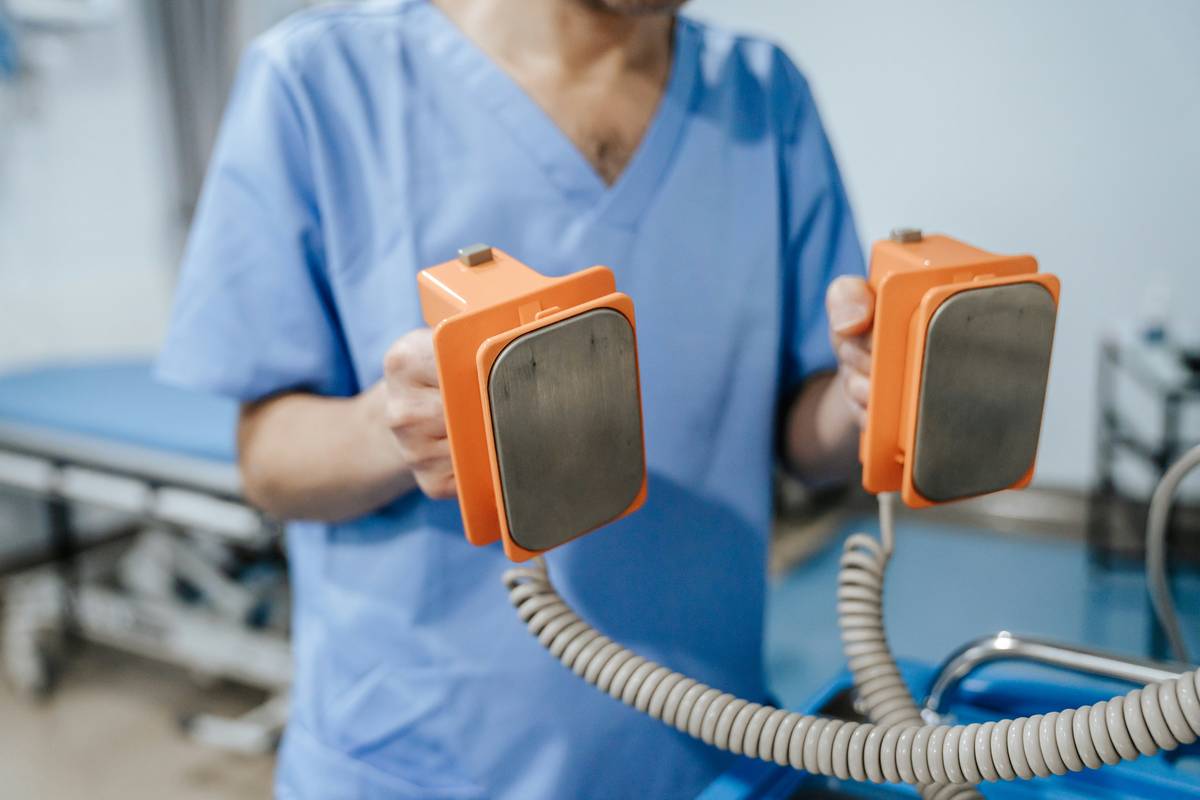
TENS (Transcutaneous Electrical Nerve Stimulation) blocks pain signals via gate control theory. But cheap units offer one setting: “buzz.” A medical-grade dual-channel unit (like Omron Max Power Relief) lets you target multiple zones at different frequencies. CDC notes TENS can reduce opioid reliance in chronic pain patients—but only with proper electrode placement.
4. Cryo-Cuff Cold Compression System
Ice packs leak and warm up in 10 minutes. For post-exercise inflammation (common in fibromyalgia or arthritis flares), a cold therapy wrap with circulating water maintains 40°F for 30+ minutes. Game-changer for knee OA or post-PT swelling.
5. Over-the-Door Cervical Traction Device
Yes, really. For chronic neck pain from disc compression or stenosis, gentle traction (7–10 lbs) decompresses nerve roots. Must be used supine with professional guidance—never DIY with YouTube tutorials.
Terrible Tip Alert: “Just stretch harder until it pops!” Nope. Aggressive stretching can inflame sensitized tissues. Chronic pain needs graded exposure, not heroics.
How to Use These Tools Without Worsening Your Pain
Here’s where most fail: using tools reactively (“my back hurts—roll NOW”) instead of proactively within a plan. Follow this sequence:
- Pain Modulation First: Start with TENS or cold therapy to lower nervous system sensitivity.
- Gentle Mobility: Use foam roller on non-painful areas (e.g., lats, quads) to improve overall movement.
- Controlled Strengthening: Band exercises at 20–30% max effort (yes, that feels too easy).
- Nerve Glides (If Applicable): Only under PT guidance—wrong technique = irritation.
Rant time: Why do influencers film themselves contorting on rollers like pretzels? Pain isn’t a performance. If your foam rolling looks like an exorcism, stop.
Real Patient Results: When Tools Meet Consistent Rehab
Last year, “Maria,” 58, came to me with chronic hip osteoarthritis. She’d tried CBD oil, acupuncture, even a jade roller (!)—nothing stuck. We prescribed:
- Daily band-resisted clamshells + bridges
- Pre-walk TENS on glute medius
- Post-activity cryo-cuff
At 8 weeks? Her WOMAC pain score dropped from 68 to 32. She walked her daughter down the aisle—no cane. The tools weren’t the hero; they enabled consistent, tolerable movement. That’s the secret sauce.
FAQs About Chronic Pain Recovery Tools Physical Therapy
Can these tools replace seeing a physical therapist?
No. Tools are adjuncts. Self-treating without assessment risks reinforcing faulty movement patterns. Get evaluated first—most states allow direct access to PTs without a referral.
Are TENS units safe for everyone?
Contraindicated for pacemaker users, pregnant women (over abdomen), or over cancerous lesions. Always consult your doctor.
How often should I use a foam roller?
2–3x/week max for chronic pain. Daily rolling can cause microtrauma in sensitized tissues. Less is more.
Will insurance cover these tools?
Sometimes. Durable Medical Equipment (DME) like TENS units may be covered with a prescription. Ask your PT for a Letter of Medical Necessity.
Conclusion
Chronic pain recovery tools physical therapy methods rely on aren’t about quick fixes—they’re precision instruments for rewiring your pain experience. From resistance bands that rebuild strength without strain to TENS units that quiet neural alarm bells, the right tools, used correctly, create space for healing. Remember: your body isn’t broken. It’s adapting. Give it the right support, and it will meet you halfway.
Like a Tamagotchi, your recovery needs daily micro-efforts—not grand gestures.
Cold meets heat,
Bands hum soft resistance—
Pain bows to patience.