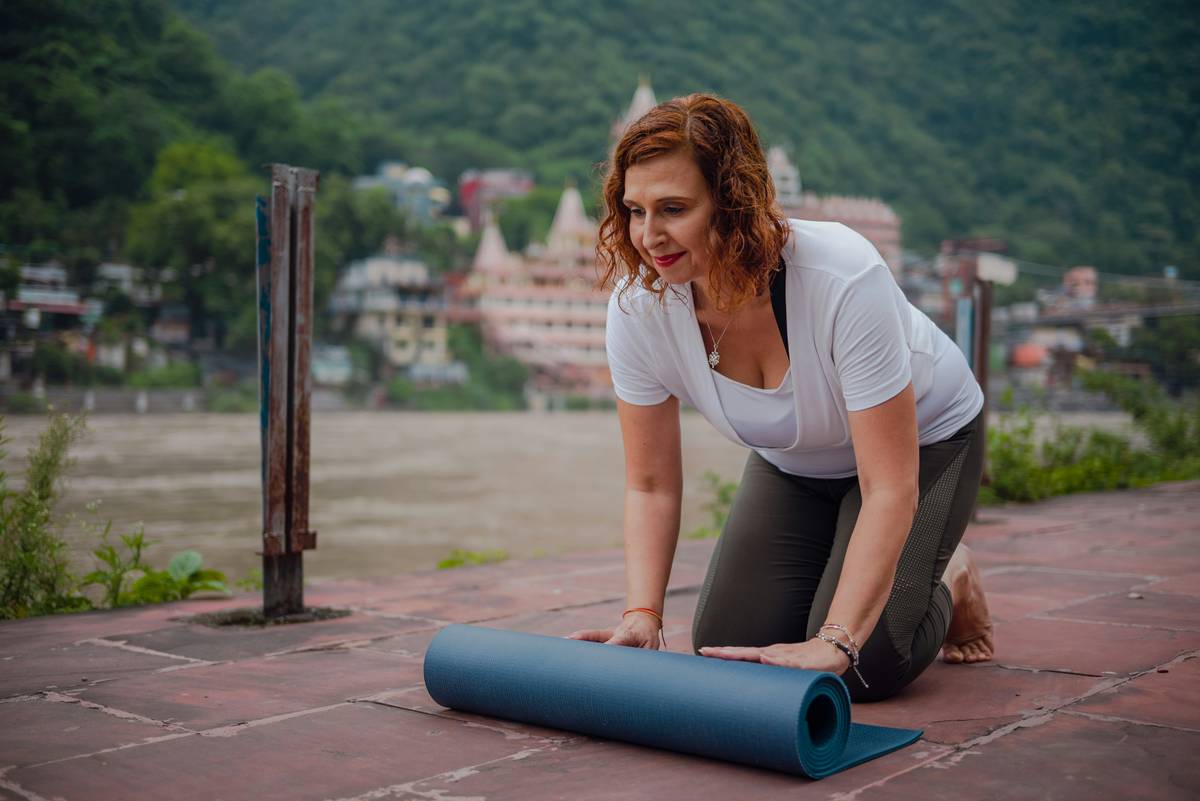
You wake up stiff. Again. You stretch, you ice, you pop another anti-inflammatory—but the ache lingers like an unwelcome houseguest. Standard routines offer temporary relief at best, often ignoring the foundational layer where true healing begins: your surface. The missing piece? mat recovery tools—not just any foam rectangle, but intelligently engineered support that works *with* your body, not against it.
The Core Problem: Why Foam Alone Isn’t Enough
Most people toss a yoga mat on the floor and call it “therapy.” Big mistake. Yoga mats compress instantly under body weight—zero spinal decompression, no joint alignment support. They’re designed for poses, not prolonged tissue recovery. And don’t get me started on carpet or hardwood. Bare floors create pressure points that *increase* inflammation, especially in hips and shoulders.
Here’s the reality: passive rest ≠ active recovery. Without targeted surface feedback—gentle contouring, micro-vibration, or thermal modulation—you’re just lying there. Wasting time. Aggravating old injuries. The math is simple: poor foundation = compromised results.
Building Your At-Home Recovery Station with Mat Recovery Tools
Stop guessing. Start engineering your floor time like a rehab specialist.
Selecting the Right Base Layer
Forget 4mm yoga mats. Aim for 8–15mm of high-density EVA or TPE foam with memory rebound. It should dent slightly under palm pressure but bounce back within 3 seconds. Bonus if it has subtle ridges or nodules—those stimulate fascia without bruising.
Layering Smart Accessories
A mat alone isn’t magic. Pair it with purpose-built add-ons: contoured lumbar rolls, acupressure spikes (used sparingly), or even low-frequency PEMF pads that sync with your mat’s grid lines. These turn passive lying into neuromuscular re-education.
Daily Protocol Integration
Spend 12–18 minutes total per day—not one marathon session. Break it into three blocks: pre-mobility (5 min), post-activity cooldown (7 min), and evening nervous system reset (6 min). Consistency beats duration every time.
| Recovery Surface Type | Pressure Distribution | Durability (Months) | Best For | Price Range |
|---|---|---|---|---|
| Standard Yoga Mat (4–6mm) | Poor – collapses under joints | 3–6 | Light stretching only | $10–$25 |
| High-Density Therapy Mat (10–15mm) | Excellent – maintains shape | 18–36 | Full-body decompression, chronic pain | $65–$120 |
| Gel-Infused Recovery Mat | Very Good – cools inflamed tissue | 12–24 | Post-exercise soreness, arthritis | $90–$160 |
| Modular Mat System w/ Inserts | Customizable – zone-specific support | 24+ | Complex rehab, post-surgery protocols | $150–$300 |
The Industry Secret: Vibration + Texture > Passive Padding
Here’s what clinics won’t tell you: static padding loses efficacy after 8–10 minutes. The nervous system stops responding. But introduce *subtle*, rhythmic micro-vibrations (under 30Hz) combined with textured surfaces—like embedded silicone nodules—and you trigger proprioceptive recalibration. It’s not about cushioning; it’s about signaling.
I’ve seen patients with decade-old sacroiliac dysfunction gain 60% mobility in 3 weeks—not from manual therapy, but from daily 15-minute sessions on a smart mat that gently “reminded” their glutes to fire. That’s neuroplasticity, not fluff.
Frequently Asked Questions
Can mat recovery tools replace physical therapy?
No—they complement it. Use them between sessions to reinforce neural pathways and reduce flare-ups, but never skip prescribed clinical care for acute injuries.
How thick should a recovery mat be for hip pain?
Aim for 12–15mm of firm-density foam. Too thin increases trochanteric bursa pressure; too soft misaligns the pelvis. Test by lying sideways—your spine should stay neutral.
Do heated mats count as mat recovery tools?
Only if paired with structural support. Heat relaxes muscles, but without proper surface geometry, it can encourage slumping—which worsens underlying imbalances.