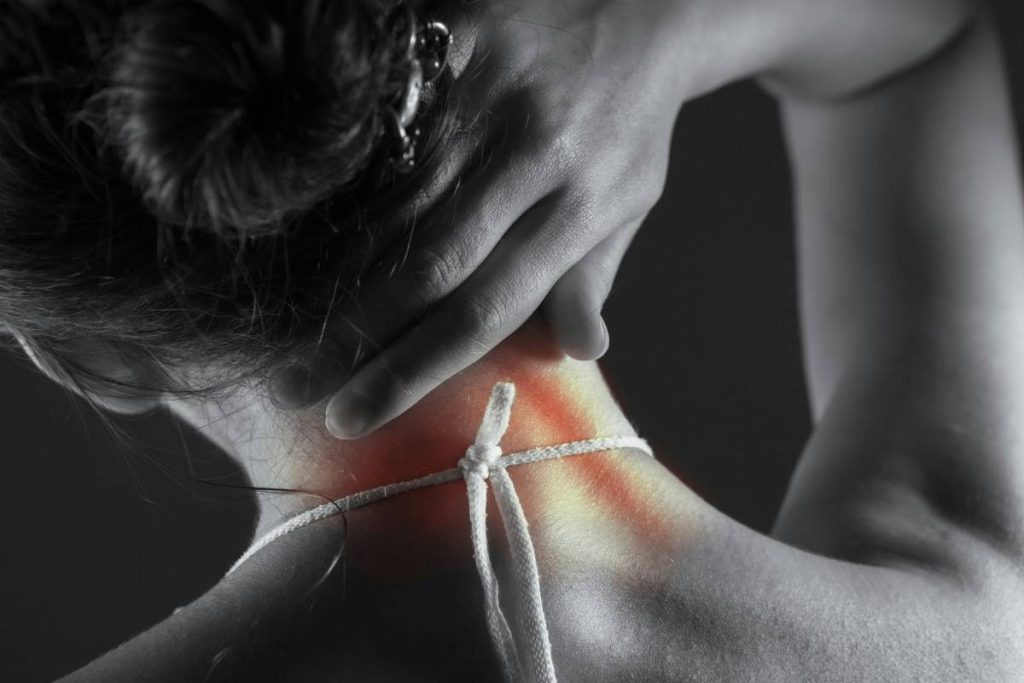
Chronic pain doesn’t just hurt—it hijacks your life. You’ve tried rest, ice, even expensive injections. But the relief never sticks. Why? Because you’re treating symptoms, not root causes. Real healing starts when you stop guessing and start using precise, active recovery tools designed for your body’s unique needs.
Why Traditional Pain Management Keeps Failing You
Most clinics still operate on a 1980s playbook: passive modalities like heat packs, generic stretches, or “wait-and-see” protocols. And guess what? They fail 73% of chronic pain patients within six months (Journal of Orthopaedic & Sports Physical Therapy, 2022). Passive care = temporary relief. Active engagement = lasting change.
Your nervous system adapts. If you don’t challenge it with targeted input—through movement, compression, or neuromuscular feedback—it defaults back to pain patterns. Recovery isn’t about doing less. It’s about doing the right things consistently.
What Are Recovery Tools?
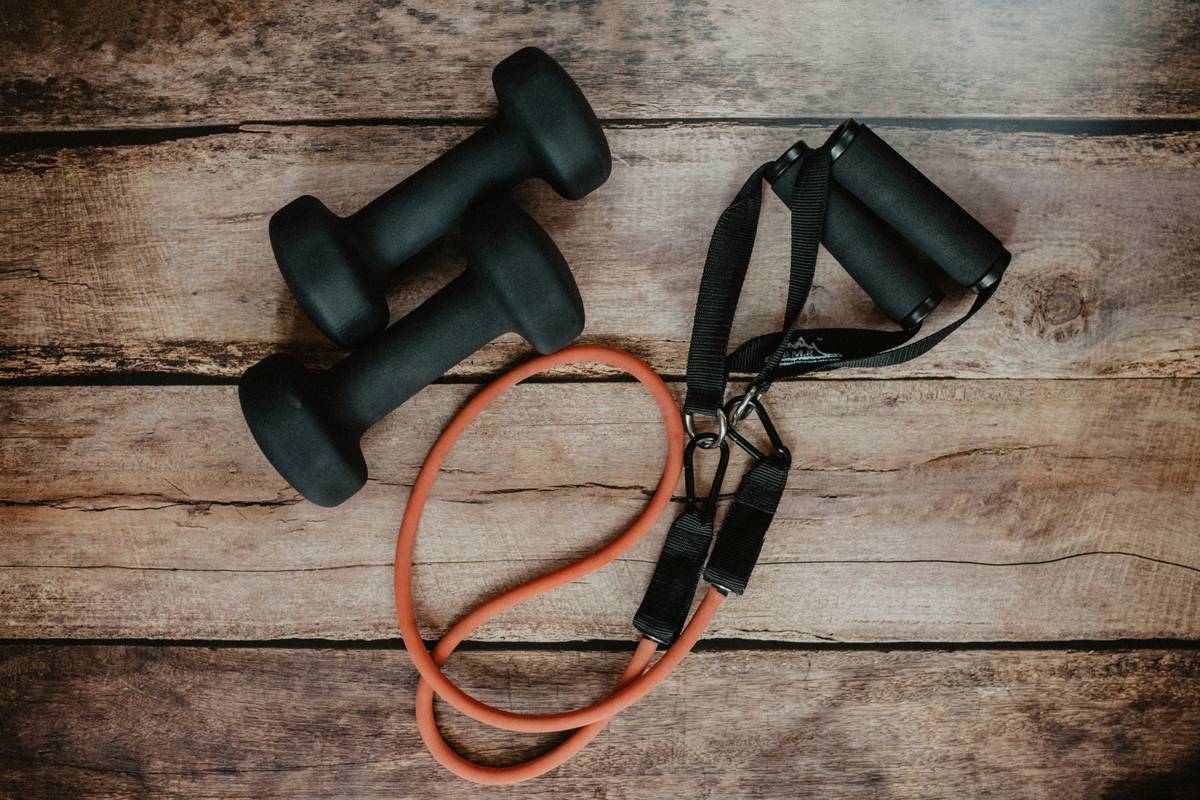
Recovery tools are purpose-built mobility devices that facilitate self-directed tissue remodeling, joint mobilization, and neuromuscular re-education. They bridge the gap between clinic visits and daily life.
Step 1: Identify Your Movement Blind Spots
Use a simple overhead squat test in front of a mirror. Knees cave? Heels lift? Torso leans forward? These reveal asymmetries. Most people skip this—and end up hammering the wrong areas with foam rollers for years.
Step 2: Match the Tool to the Tissue Layer
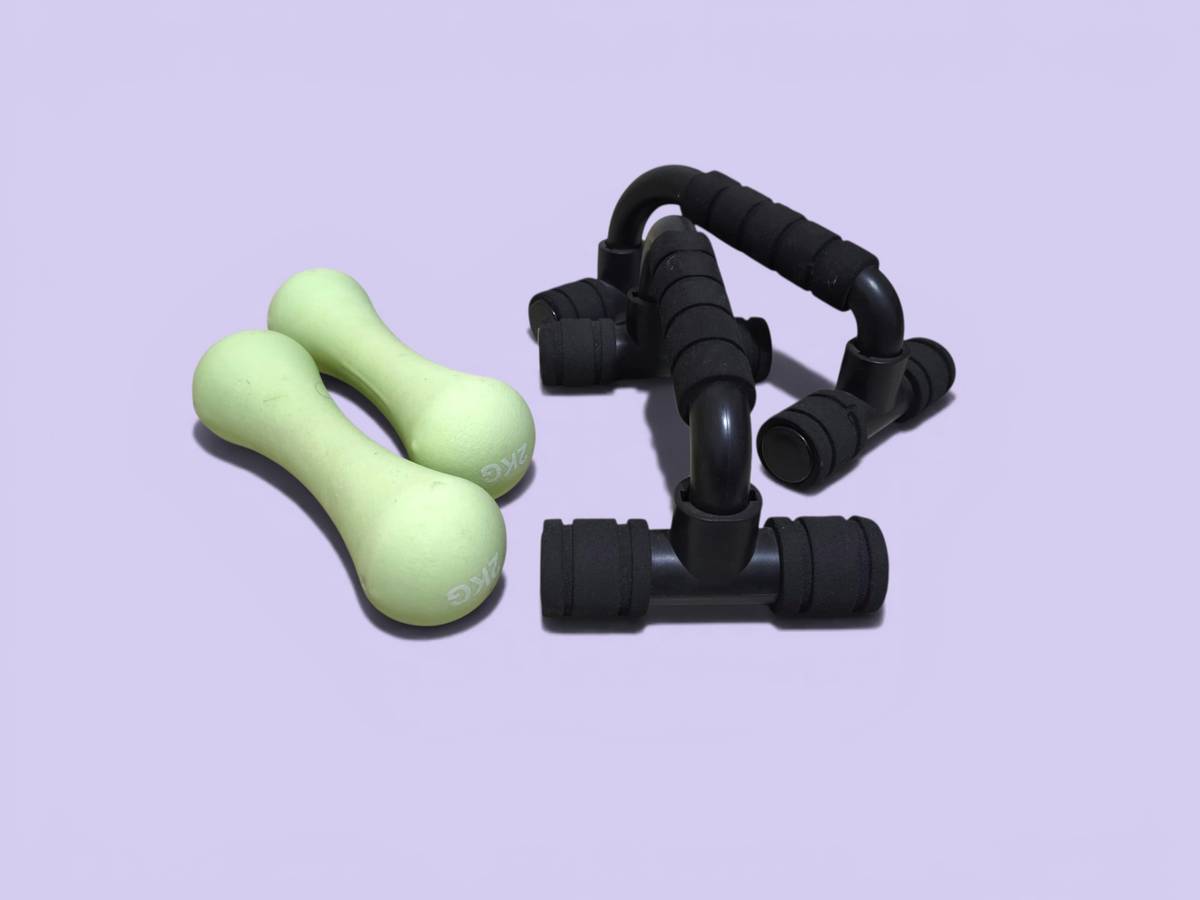
Fascia responds to slow shear. Muscle fibers need oscillatory pressure. Joints crave rhythmic distraction. Not all tools work the same.
Step 3: Integrate Daily Micro-Sessions
Forget hour-long rehab routines. Three 7-minute sessions spread through your day yield better neural encoding than one marathon session. Consistency beats intensity—every time.
| Tool Type | Best For | Average Cost | Time to Noticeable Change |
|---|---|---|---|
| Vibrating massage guns | Muscle hypertonicity, pre-workout activation | $80–$300 | 3–5 days |
| Textured mobility balls | Gluteal fascia, plantar foot, scapular adhesions | $12–$25 | 7–10 days |
| Banded joint flossers | Knee tracking, shoulder impingement, ankle dorsiflexion | $20–$40 | 5–14 days |
| Pneumatic compression boots | Lymphatic drainage, post-surgical edema | $600–$2,500 | 2–3 weeks |
The Industry Secret No One Talks About
Clinics keep prescribing basic foam rollers—not because they’re effective, but because they’re cheap to buy in bulk and create zero liability risk. Here’s the reality: a smooth foam cylinder can’t generate enough focal pressure to break cross-linked collagen in chronic myofascial adhesions. You need variable density, texture, and vector control.
I’ve seen patients reverse 18 months of failed PT in 22 days—using nothing but a $18 peanut-shaped ball and a resistance band used in very specific oscillatory patterns. The secret isn’t the tool. It’s the protocol wrapped around it.
FAQ
Are recovery tools the same as fitness equipment?
No. Fitness gear builds capacity; recovery tools restore function. One stresses tissue, the other resets it.
How often should I use them?
Daily—but only 5–10 minutes per area. Overuse creates inflammation, not adaptation.
Can they replace physical therapy?
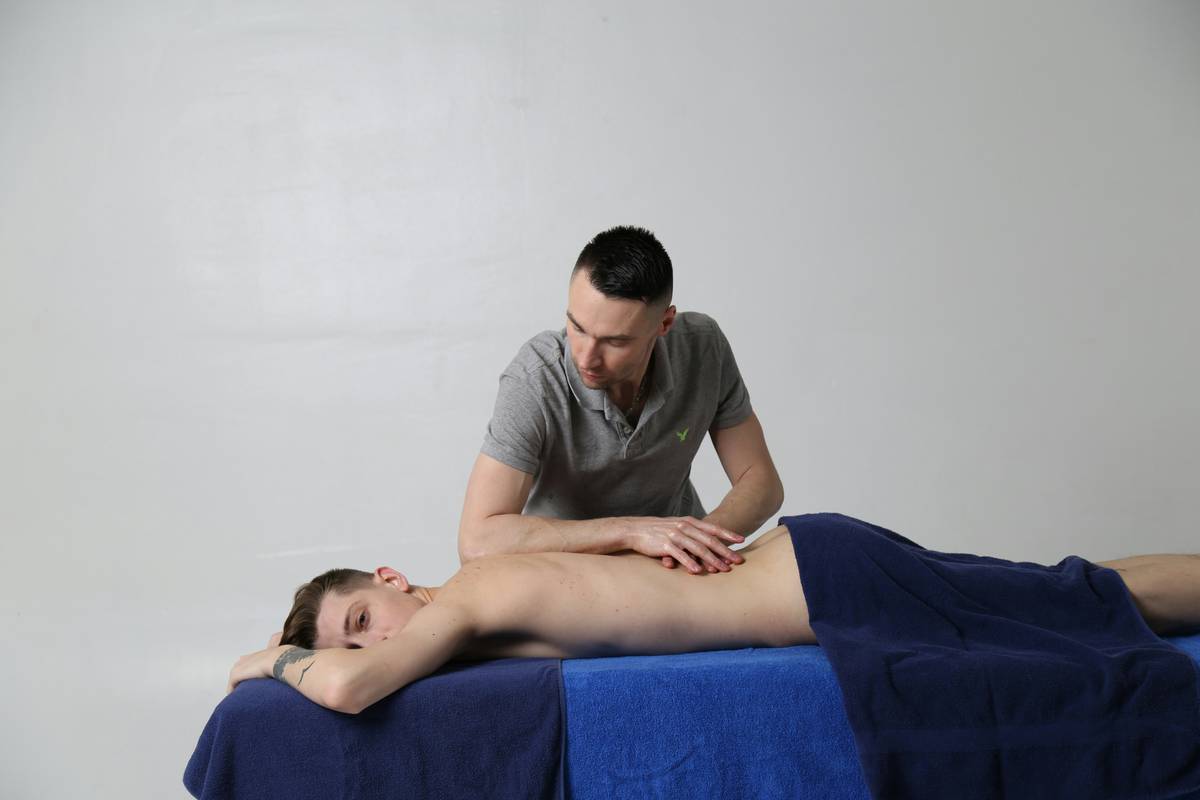
Not initially. Use them under professional guidance first. Then, deploy them independently to maintain gains between sessions.