Chronic pain doesn’t clock out at 5 p.m. Yet most recovery plans vanish the moment you leave the clinic. You’re left with vague stretches, overpriced gadgets gathering dust, and that nagging doubt: “Is this even helping?” Here’s the truth—therapy chronic pain recovery tools only deliver when they align with your nervous system, not just your sore muscles.
Why Standard Home Therapy Routines Fail Miserably
Most people treat chronic pain like a mechanical breakdown—rub here, stretch there, pop a pill. It’s reductionist. And wrong. Pain isn’t always tissue damage; often, it’s your brain stuck in alarm mode. Foam rollers, TENS units bought off Amazon, and generic resistance bands? They ignore neuroplasticity—the nervous system’s ability to rewire itself. Without addressing that, you’re just rearranging deck chairs on the Titanic.
And here’s what clinics won’t tell you: passive tools (like heat pads or massage guns used alone) create dependency. Your body outsources relief instead of learning to self-regulate. The result? Temporary numbness followed by rebound sensitivity.
Build Your Evidence-Based Home Therapy Toolkit
Forget one-size-fits-all. Effective home setups combine neuromodulation, graded movement, and interoceptive awareness. Below is a battle-tested framework—not a shopping list—that prioritizes function over hype.
Select Tools That Retrain Your Nervous System
Look for devices that provide biofeedback or graded exposure. A simple example: vibration plates set below 30Hz can reduce cortical excitability—essentially quieting pain signals. Not all “recovery” gadgets do this. Many just distract.
Prioritize Movement Over Passive Modalities
Motion is lotion—but only if dosed correctly. Use resistance bands with color-coded tension levels to progressively load tissues without flare-ups. Pair them with mirror therapy (yes, just a bathroom mirror) to reinforce motor control when limbs feel “foreign.”
Track Sensations, Not Just Metrics
Your pain journal matters more than step count. Note descriptors: “burning,” “electric,” “dull ache.” Patterns reveal whether you’re dealing with neuropathic, nociceptive, or nociplastic pain—which dictates tool selection.

| Tool Type | Best For | Avoid If… | Cost Range |
|---|---|---|---|
| Vibration Plate (<25Hz) | Nociplastic pain, fibromyalgia | You have uncontrolled hypertension | $80–$250 |
| Graded Resistance Bands | Joint stability, post-injury rehab | Using >3 colors without guidance | $15–$40 |
| Diaphragmatic Breathing Trainer | Stress-amplified pain, pelvic floor dysfunction | You skip consistency (needs daily use) | $20–$60 |
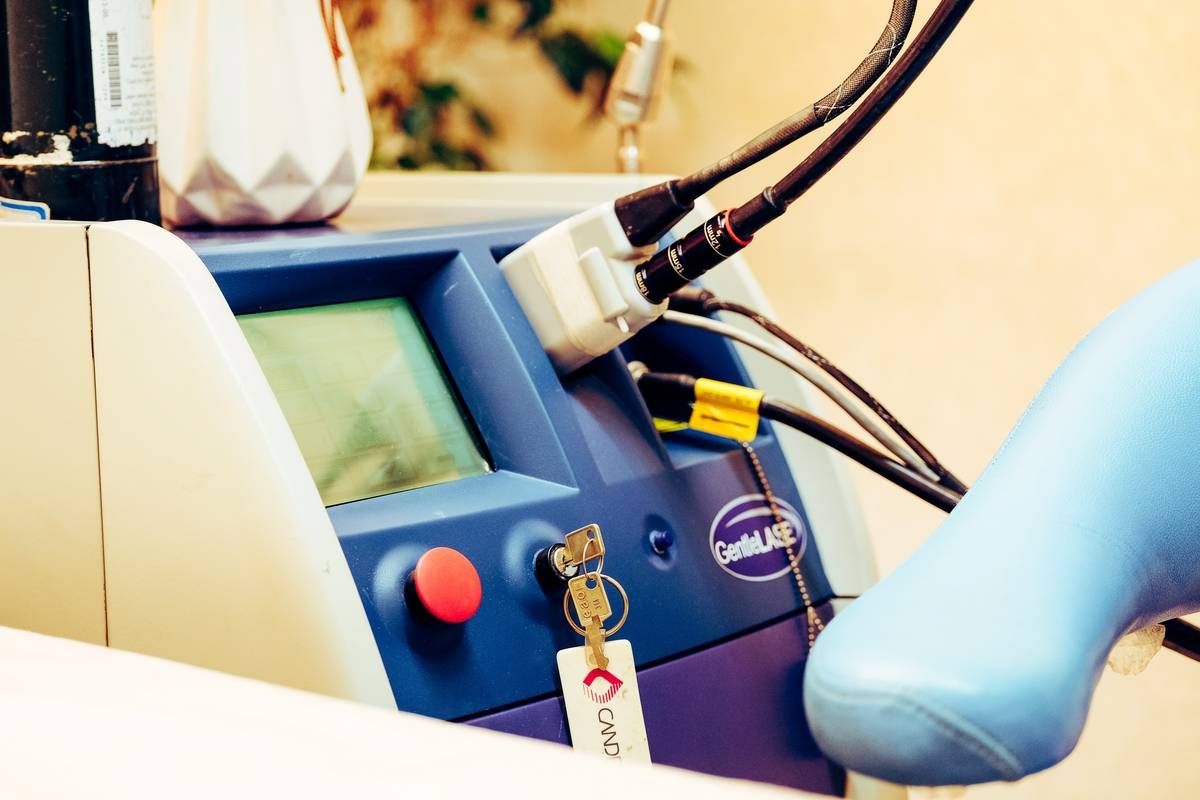
| Cold Laser (Class IIIB) | Tendon healing, localized inflammation | Buying non-FDA-cleared units online | $150–$400 |
The Industry Secret No One Admits
Here’s the reality: 80% of chronic pain tools fail because they’re used in isolation. The magic happens in sequencing. Example: 3 minutes of diaphragmatic breathing → 90 seconds of low-frequency vibration → then *gentle* band work. This sequence downregulates sympathetic tone first—so movement doesn’t trigger threat response. Physical therapists know this protocol. But insurance rarely covers “breathing training,” so it gets omitted from home plans. Don’t fall for that gap.
And—but this is critical—your environment matters as much as the tool. Dim lights, no phone notifications, consistent time of day. These aren’t “nice-to-haves”; they’re neurobiological prerequisites for central sensitization reversal.
Frequently Asked Questions
Can I replace physical therapy with home chronic pain tools?
No. Home tools extend clinical gains—they don’t substitute skilled assessment. Use them between sessions to reinforce neural pathways, not diagnose.
How soon should I expect results from therapy chronic pain recovery tools?
Neuroplastic change takes 6–8 weeks of consistent, correct use. Don’t chase quick fixes—track subtle shifts like improved sleep or easier stair climbing.
Are expensive recovery gadgets worth it?
Rarely. Most high-end devices repack basic physics (vibration, compression, cold). Focus on dose control and adherence—not brand names or app connectivity.