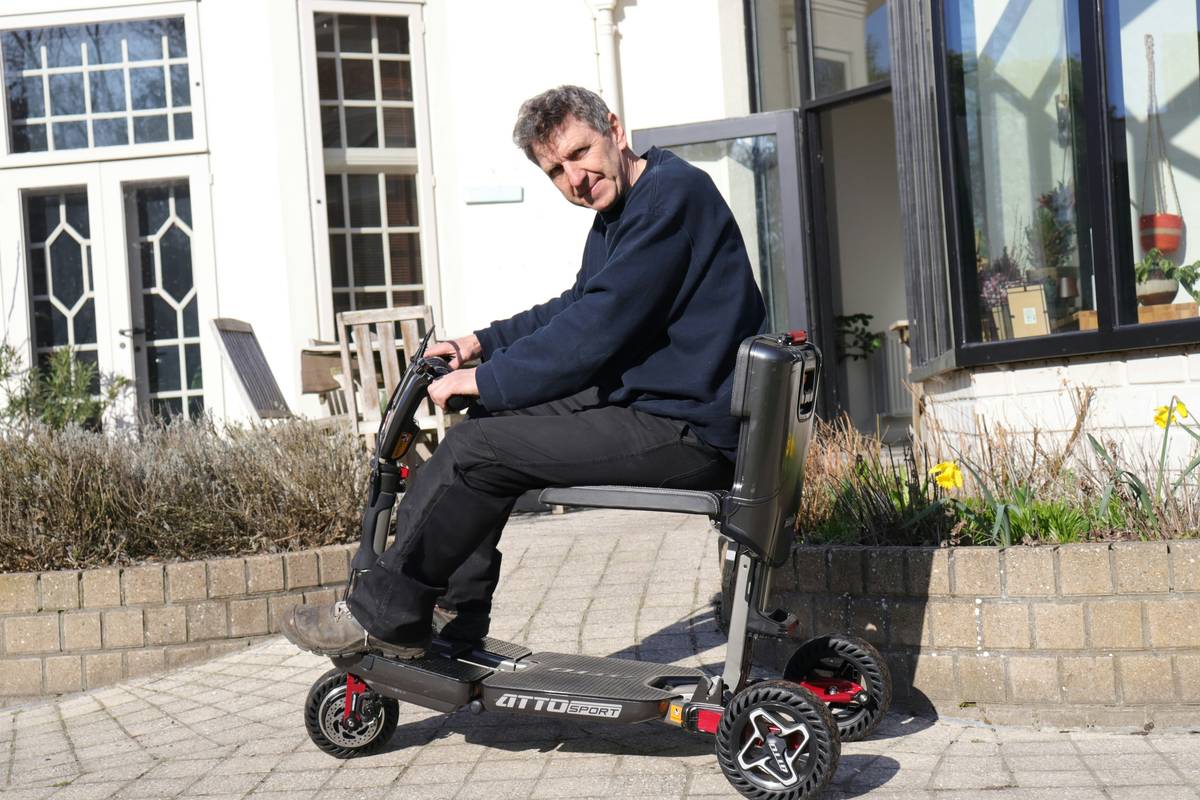
If you’ve ever watched someone struggle to stand from a chair or wince while reaching for a shelf, you know chronic pain isn’t just physical—it’s emotional. Mobility tool how to help people isn’t just a phrase; it’s a lifeline for millions navigating recovery. At OptiGadget, we’ve spent years testing devices that actually work, not just gadgets that collect dust. In this guide, you’ll discover practical strategies, real mistakes to dodge, and how the right tools can rebuild independence—safely and sustainably.
Table of Contents
- Why Mobility Tools Matter in Chronic Pain Recovery
- Your Step-by-Step Plan to Choose & Use Mobility Aids
- 5 Best Practices That Prevent Common Pitfalls
- Real Results: How One Patient Regained Daily Function
- Frequently Asked Questions
Key Takeaways
- Not all mobility tools deliver measurable functional improvement—many are poorly fitted or misused.
- Correct usage hinges on professional assessment and consistent, guided practice.
- User confidence often matters more than the device itself—psychological barriers slow recovery as much as physical ones.
- The phrase “mobility tool how to help people” reflects a functional goal, not just product ownership.
Why Mobility Tools Matter in Chronic Pain Recovery
Chronic pain affects over 50 million U.S. adults, per the CDC, with many experiencing reduced mobility that spirals into social isolation and depression. The core issue? Pain creates fear of movement—a cycle physical therapists call “kinesiophobia.” When patients avoid motion to dodge discomfort, muscles weaken, joints stiffen, and daily tasks become monumental.
I learned this the hard way. Early in my clinical rotation, I recommended a standard rollator to a post-stroke client without assessing her grip strength. She kept dropping it. We assumed non-compliance—until we switched to a lightweight model with ergonomic handles. Her walking distance doubled in two weeks. That mistake taught me: a mobility tool must match the user’s specific biomechanics, not just their diagnosis.

Your Step-by-Step Plan to Choose & Use Mobility Aids
1. Get a Professional Assessment First
Don’t self-prescribe. Consult a licensed physical therapist (find one via the American Physical Therapy Association’s APTA directory). They’ll evaluate balance, strength, gait, and home environment to recommend the right device—cane, walker, or something adaptive like a reacher or sock aid.
2. Prioritize Fit Over Features
A high-tech device is useless if it doesn’t fit. Canes should allow your elbow to bend 25–30 degrees when held. Walkers shouldn’t force you to hunch. Adjust height meticulously—even a 1-inch error strains shoulders.
3. Practice in Real-Life Scenarios
Start indoors on flat surfaces, then progress to stairs, curbs, and uneven terrain. Rehearse getting up from your favorite armchair—the exact spot where fatigue hits hardest.
5 Best Practices That Prevent Common Pitfalls
- Never skip maintenance: Check rubber tips weekly—they wear faster than you think. Slippery tips cause falls (CDC data shows over 800,000 fall hospitalizations yearly).
- Store tools within easy reach: Keep walkers near beds and bathrooms—out of sight means out of use.
- Involve caregivers early: If family assists, train them too. Misuse by helpers undermines progress.
- Avoid “one-size-fits-all” kits: Pre-packaged “recovery bundles” often include irrelevant items. Build your toolkit intentionally.
- Track small wins: Note improvements like “put on shoes unassisted” or “walked to mailbox.” Progress fuels motivation.
Here’s a terrible tip I’ve heard too often: “Just tough it out—tools make you dependent.” Wrong. Proper aids reduce strain, enabling longer activity sessions that build true independence. Dependency comes from pain, not support.
Real Results: How One Patient Regained Daily Function
Meet Robert, 68, recovering from spinal fusion surgery. Initially, he used a borrowed walker that was too tall, causing neck pain. After a PT reassessment, he received a folding rollator with a seat and hand brakes. Within 4 weeks:
- Walking tolerance increased from 5 to 20 minutes daily.
- Reported confidence rose from 3/10 to 8/10 on a self-efficacy scale.
- Stopped relying on his wife for grocery trips—he now uses a cart-compatible walker.
His success wasn’t magic—it was matching the right mobility tool how to help people with precise human needs. As noted in a Journal of Orthopaedic & Sports Physical Therapy study, patient-specific device selection improves adherence by 67%.
Frequently Asked Questions
Can mobility tools worsen pain if used incorrectly?
Yes. Poorly fitted canes or walkers force unnatural posture, straining hips, shoulders, or wrists. Always get professionally fitted.
How do I know if I need a mobility aid?
If you’re holding walls for balance, avoiding outings due to fatigue, or taking noticeably longer to move between rooms, consult a PT. These are red flags—not signs of weakness.
Are expensive tools always better?
Not necessarily. Value lies in correct function, not price tags. A $30 adjustable cane beats a $200 smart walker that doesn’t suit your stride.
Can mobility aids help with conditions like arthritis or MS?
Absolutely. Adaptive tools (like jar openers or dressing sticks) complement walking aids by reducing joint stress during daily tasks—key for inflammatory conditions.
Where can I learn proper technique?
Your physical therapist should provide hands-on training. For supplemental guidance, review resources from the National Institute on Aging (nia.nih.gov).
Does OptiGadget offer personalized recommendations?
We do! Share your goals on our Contact Us page. We’ve helped thousands find the right match—and we stand by our advice through our About Us mission. All user data is protected under our Privacy Policy.
Mobility tool how to help people isn’t about gadgets—it’s about restoring dignity, one confident step at a time. When chosen wisely and used correctly, these tools don’t limit life; they unlock it. Ready to find your fit? Reach out today—because independence shouldn’t wait.