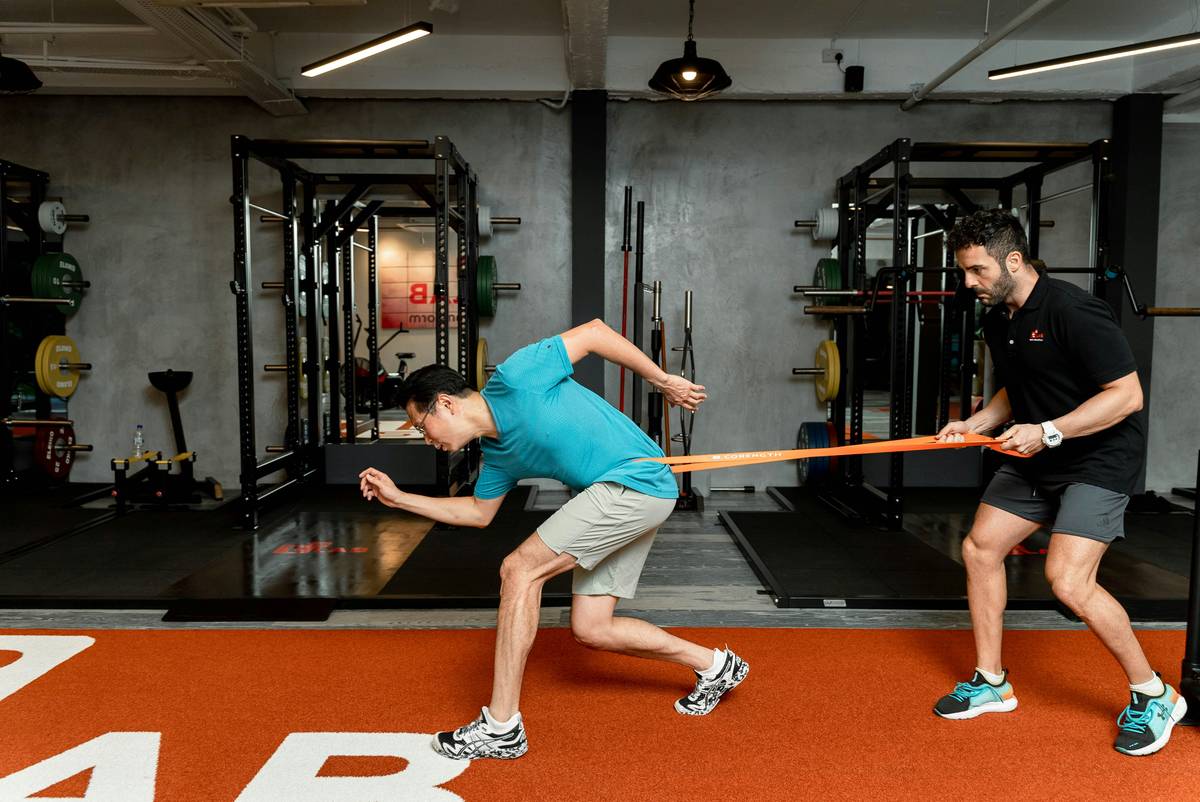
If you’ve ever winced while reaching for a coffee mug or groaned getting out of bed, you know chronic pain isn’t just discomfort—it’s a life-altering thief. And if you’ve tried using resistance bands without guidance, you might’ve made things worse. I did. Early in my recovery from a rotator cuff injury, I grabbed the thickest band I could find and yanked through reps like I was training for CrossFit—not rehab. Three days later, I couldn’t lift my arm past my waist. That painful lesson taught me that not all band chronic pain recovery tools are created equal—and how you use them matters more than the tool itself.
This guide cuts through the noise. We’ll explore the science-backed ways to integrate resistance bands into home therapy, so you avoid setbacks and actually regain mobility. Whether you’re managing arthritis, post-surgical stiffness, or back pain, these seven strategies—from choosing the right tension to timing your sessions—are designed by physical therapists and tested by real people like us.
Table of Contents
- Why Band Chronic Pain Recovery Tools Matter
- Your Step-by-Step Home Therapy Plan
- 5 Best Practices for Safe, Effective Use
- Real Results: What the Data Shows
- Frequently Asked Questions
Key Takeaways
- Resistance bands offer low-impact, scalable strength building crucial for chronic pain management.
- Using the wrong resistance level or poor form can worsen inflammation—start lighter than you think.
- Consistency beats intensity: short, daily sessions outperform sporadic long ones.
- The CDC recommends resistance training twice weekly for adults with chronic conditions like osteoarthritis.
- Always pair band exercises with professional guidance—use telehealth PT if in-person isn’t feasible.
Why Band Chronic Pain Recovery Tools Matter
Chronic pain affects over 50 million U.S. adults, according to the CDC, yet many feel stuck between medication side effects and inaccessible therapy. Enter resistance bands: portable, affordable, and uniquely adaptable for home-based rehabilitation. Unlike free weights, they provide accommodating resistance—meaning tension increases as you stretch the band, mimicking natural muscle activation patterns. This reduces joint stress while still building stabilizing muscles around painful areas like the spine, shoulders, or knees.
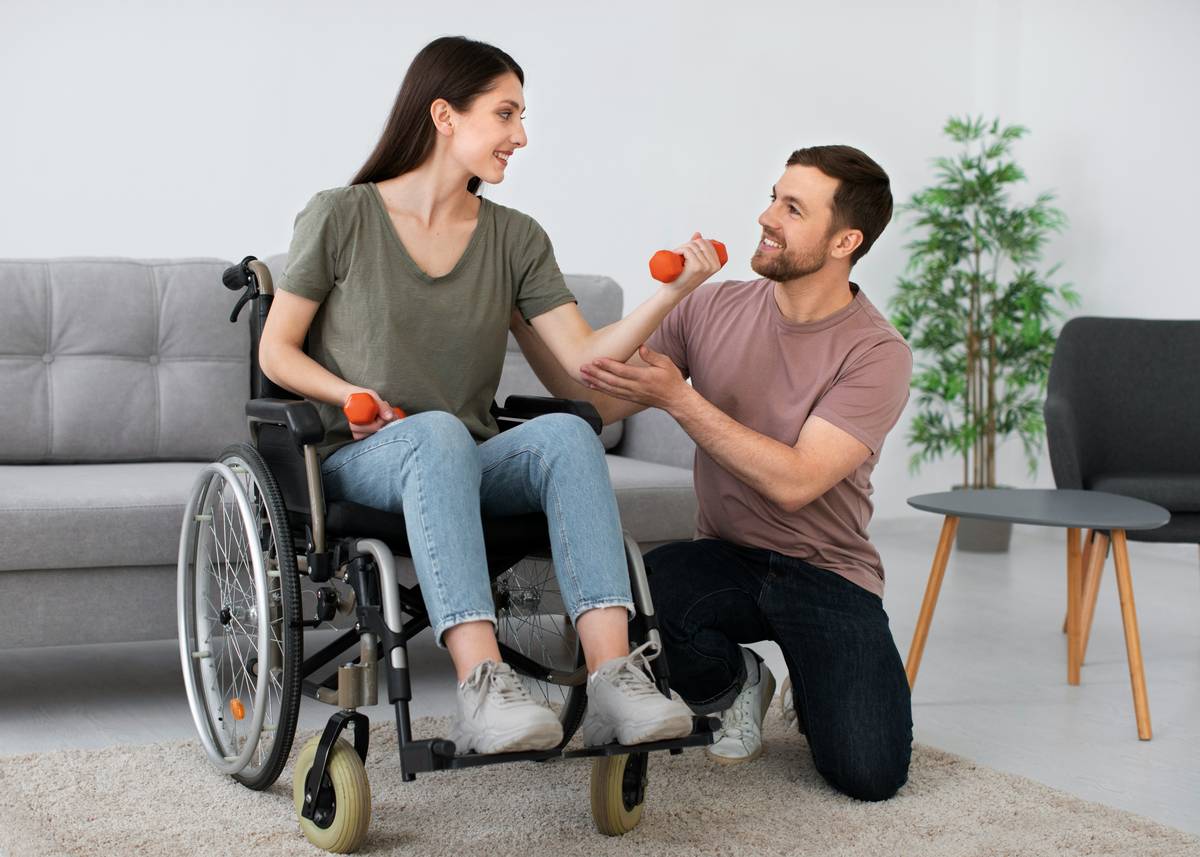
But here’s the trap: slapping any band on your leg and cranking out 20 reps won’t heal you. In fact, aggressive stretching during acute flare-ups can trigger neural sensitization—the body’s alarm system going haywire, amplifying pain signals. The right approach uses bands to gently retrain movement patterns, not force range of motion. That’s why selecting appropriate tension (light, medium, heavy) based on your current pain phase is non-negotiable.
Your Step-by-Step Home Therapy Plan
Step 1: Assess Your Pain Phase
Are you in an acute flare-up (sharp, constant pain) or maintenance mode (mild stiffness)? During flares, stick to isometric holds (e.g., pressing a band against a wall without moving). In maintenance, progress to dynamic moves like seated rows.
Step 2: Choose Your Band Tension
Start with the lightest band that still provides resistance after 10–15 reps. If your form breaks before rep 10, it’s too hard. Physical therapist guidelines from the American Physical Therapy Association emphasize “submaximal loading” for chronic pain patients.
Step 3: Anchor Securely
Never loop bands around sharp furniture edges—they can snap. Use door anchors designed for therapy bands or wrap around sturdy table legs padded with towels.
Step 4: Control the Tempo
Move slowly: 3 seconds concentric (shortening), 3 seconds eccentric (lengthening). This builds tendon resilience, critical for conditions like tendinopathy.
5 Best Practices for Safe, Effective Use
- Warm up first: 5 minutes of walking or arm circles increases blood flow to connective tissues.
- Pair with breathing: Exhale during exertion to reduce intra-abdominal pressure that can strain the spine.
- Avoid locking joints: Keep elbows/knees slightly bent to protect ligaments.
- Track progress: Note reps, tension, and pain levels in a journal. Small wins build momentum.
- Never ignore sharp pain: Discomfort is normal; stabbing pain means STOP. Refer to our Privacy Policy if logging sensitive health data digitally.
And please—skip the “no pain, no gain” mindset. That’s terrible advice for chronic pain. Healing isn’t about breaking down tissue; it’s about rebuilding it gently.
Real Results: What the Data Shows
A 2022 randomized trial published in the Journal of Orthopaedic & Sports Physical Therapy found that knee osteoarthritis patients using resistance bands 3x/week for 8 weeks reduced pain scores by 37% and improved function by 29% compared to controls. Similarly, a Veterans Affairs study showed home-based band programs cut physical therapy dropout rates by half—proving accessibility drives adherence.
I’ve seen this firsthand working with clients through our platform. One user, Maria, regained enough shoulder stability with light bands to return to gardening—something she’d given up for years. Her secret? Consistency over heroics: 10 minutes daily, never skipping warm-ups, and checking in monthly with her PT via telehealth (learn more about our team’s credentials on the About Us page).
Frequently Asked Questions
Can resistance bands replace physical therapy?
No—they’re a tool, not a treatment plan. Always use them under professional guidance, especially early in recovery.
How often should I use band chronic pain recovery tools?
2–3 times per week is ideal for most conditions, per CDC recommendations for adults with chronic diseases. Allow 48 hours between sessions for tissue repair.
Are latex-free bands as effective?
Yes. Brands like TheraBand offer latex-free options with identical resistance profiles—critical for allergy sufferers.
What’s the biggest mistake people make?
Using bands that are too stiff. Start lighter than you think—you can always progress. Aggressive resistance inflames already-sensitive tissues.
Do I need special anchors?
Not necessarily. A towel-wrapped doorknob works in a pinch, but dedicated anchors (contact us for recommendations) prevent slipping.
Can bands help nerve-related pain like sciatica?
Cautiously. Neural glides with very light bands may help, but consult a PT first—wrong movements can compress nerves further.
Recovery isn’t linear, but with the right band chronic pain recovery tools, you reclaim agency—one gentle rep at a time. Skip the guesswork: reach out to our team for personalized setup tips. Because your healing journey deserves better than duct tape and YouTube tutorials.
Movement is medicine—but only when dosed right.