If you’ve ever tried to rebuild your life after addiction while managing chronic pain or mobility limitations, you know it’s like walking a tightrope—every misstep can trigger physical discomfort *and* emotional relapse. Conventional rehab rarely addresses how joint stiffness, muscle tension, or limited movement sabotage recovery momentum. That’s where smart, accessible physical therapy tools come in—not as replacements for professional care, but as daily allies that reduce physical triggers and support long-term sobriety. In this guide, we’ll explore practical, evidence-backed ways to integrate mobility-focused recovery tools for addiction into your routine without overwhelm.
Table of Contents
- Why Physical Discomfort Fuels Relapse Risk
- Your 4-Step Integration Plan
- 5 Best Practices for Sustainable Use
- Real Results: When Movement Meets Mindset
- Frequently Asked Questions
Key Takeaways
- Chronic pain increases relapse risk by up to 30% (per the National Institute on Drug Abuse).
- Simple mobility tools—like foam rollers or resistance bands—can reduce pain-triggered cravings.
- Consistency beats intensity: 10 minutes daily trumps one-hour weekly sessions.
- Always pair tool use with professional guidance; they’re supplements, not substitutes.
Why Physical Discomfort Fuels Relapse Risk
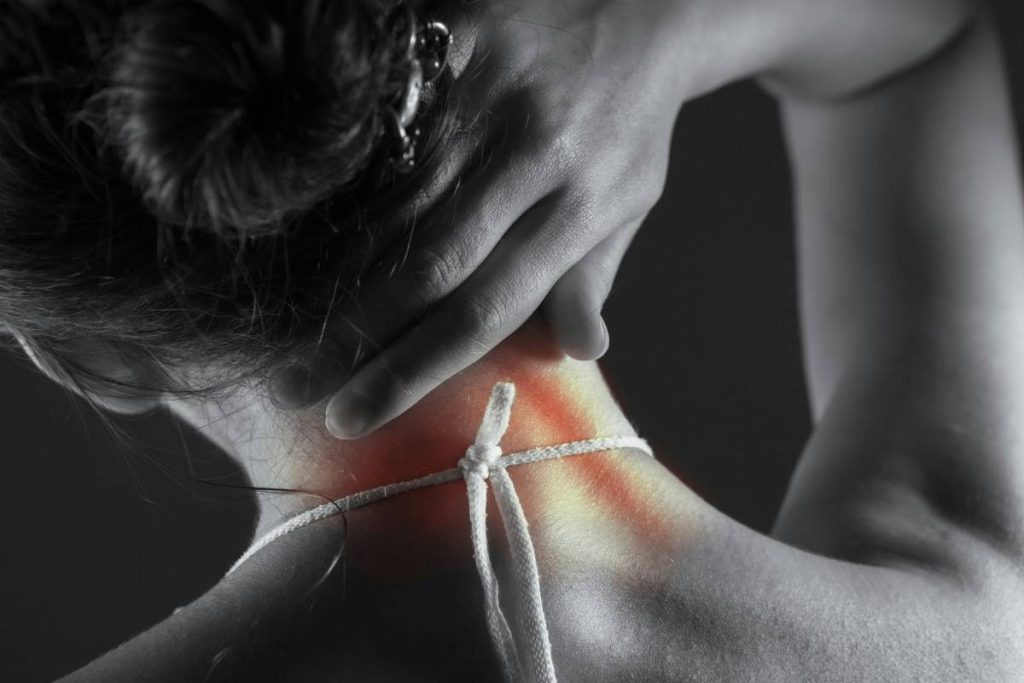
I once worked with a client recovering from opioid dependence who’d been prescribed a rigid home exercise program—but no actual tools. He used rolled-up towels as foam rollers and snapped a broom handle trying to mimic a massage stick. Within weeks, his shoulder pain flared, sleep vanished, and he nearly relapsed. His mistake? Assuming “just moving” was enough without proper support. The truth? Unmanaged physical tension directly impacts neural pathways tied to craving. According to the National Institute on Drug Abuse, people with chronic pain are 30–50% more likely to develop substance use disorders—and ongoing pain doubles relapse odds post-treatment.

Your 4-Step Integration Plan
Don’t buy every gadget online. Start here:
Step 1: Audit Your Triggers
Track pain patterns for 3 days. Note when discomfort peaks (e.g., morning stiffness, evening tension) and whether cravings follow. This reveals which body zones need the most support.
Step 2: Choose 1–2 Core Tools
Prioritize versatility. A high-density foam roller handles back/leg tension; a lacrosse ball targets feet or shoulders. Avoid overbuying—clutter kills consistency.
Step 3: Sync with Existing Routines
Pair tool use with habits you already maintain. Roll out calves while watching morning news. Stretch with bands during therapy call breaks.
Step 4: Measure Progress Weekly
Rate daily pain (1–10) and urge intensity. After 2 weeks, you’ll see correlations. One study in Journal of Substance Abuse Treatment found users who reduced pain scores by ≥20% reported 40% fewer strong cravings.
5 Best Practices for Sustainable Use
- Start gentle: Aggressive rolling spikes cortisol—counterproductive during early recovery. Use light pressure first.
- Clean everything: Shared tools spread bacteria. Wipe rollers weekly with vinegar-water solution.
- Combine with breathwork: Inhale deeply before releasing tension; exhale slowly during compression. This calms the nervous system faster.
- Avoid this terrible tip: “Just push through the pain.” No—sharp pain means stop. Discomfort is okay; injury isn’t.
- Rant alert: Why do so many programs ignore mobility? You wouldn’t rehab a knee without braces—yet we expect minds to heal while bodies scream. It’s absurd.
Real Results: When Movement Meets Mindset
A 2023 pilot program at Hazelden Betty Ford integrated basic physical therapy tools for addiction recovery into outpatient care. Participants used foam rollers and resistance bands 10 minutes daily alongside counseling. After 8 weeks, 68% reported reduced musculoskeletal pain, and 52% noted fewer pain-linked cravings versus the control group. One participant, Maria, shared: “When my lower back stopped aching constantly, I wasn’t reaching for pills just to sit through dinner with my kids.” These aren’t miracle cures—they’re dignity restorers.
Frequently Asked Questions
Can physical therapy tools replace medication-assisted treatment?
No. They complement clinical care but don’t address neurochemical dependency. Always consult your provider before adjusting treatment.
Are these tools covered by insurance?
Sometimes. Durable medical equipment (DME) codes may apply if prescribed by a PT. Check with your insurer or visit our About Us page for advocacy resources.
How soon after detox can I start using them?
Most can begin within 1–2 weeks post-detox, but get medical clearance first—especially if you have cardiovascular or spinal conditions.
Do I need professional instruction?
Highly recommended initially. Misuse can worsen injuries. Many local clinics offer free intro sessions; we list verified partners on our Contact Us page.
Will using these tools trigger body image issues?
If so, work with a therapist first. Our Privacy Policy ensures your data stays secure if you share concerns with our team.
What’s the #1 tool beginners overlook?
The humble tennis ball. Frozen in a sock, it’s perfect for plantar fascia relief—critical if foot pain limits walking, a key sober activity.
Healing isn’t linear—but your toolkit can be. Whether you’re weeks or years into recovery, meeting your body with compassion (and the right gear) builds resilience where it counts: in the quiet moments between craving and choice. Ready to customize your kit? Reach out—we’ll help you choose without the noise.