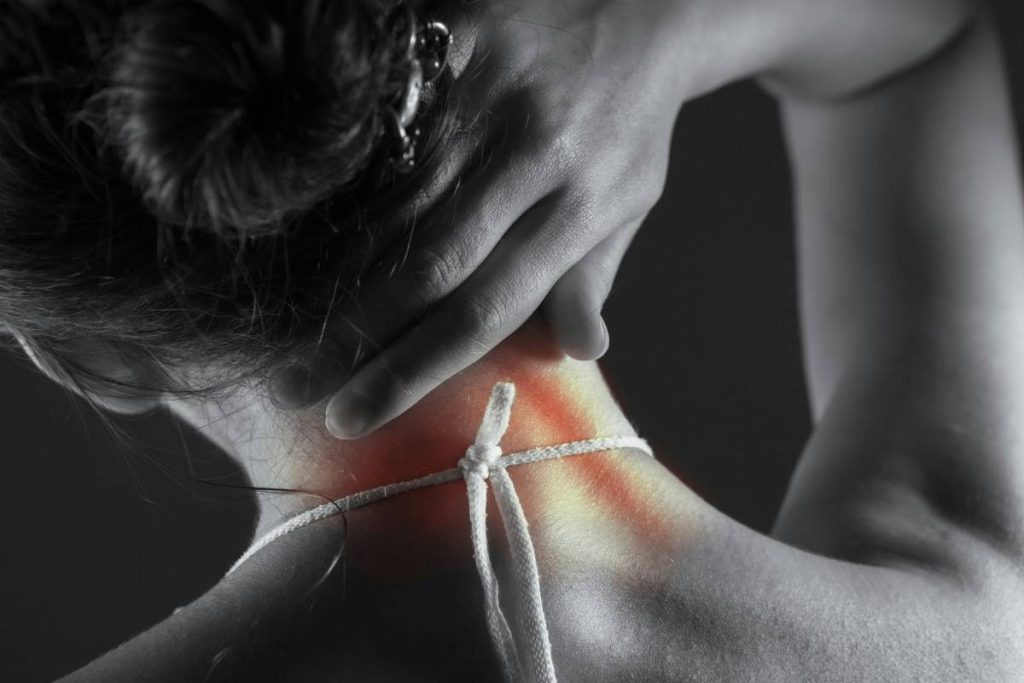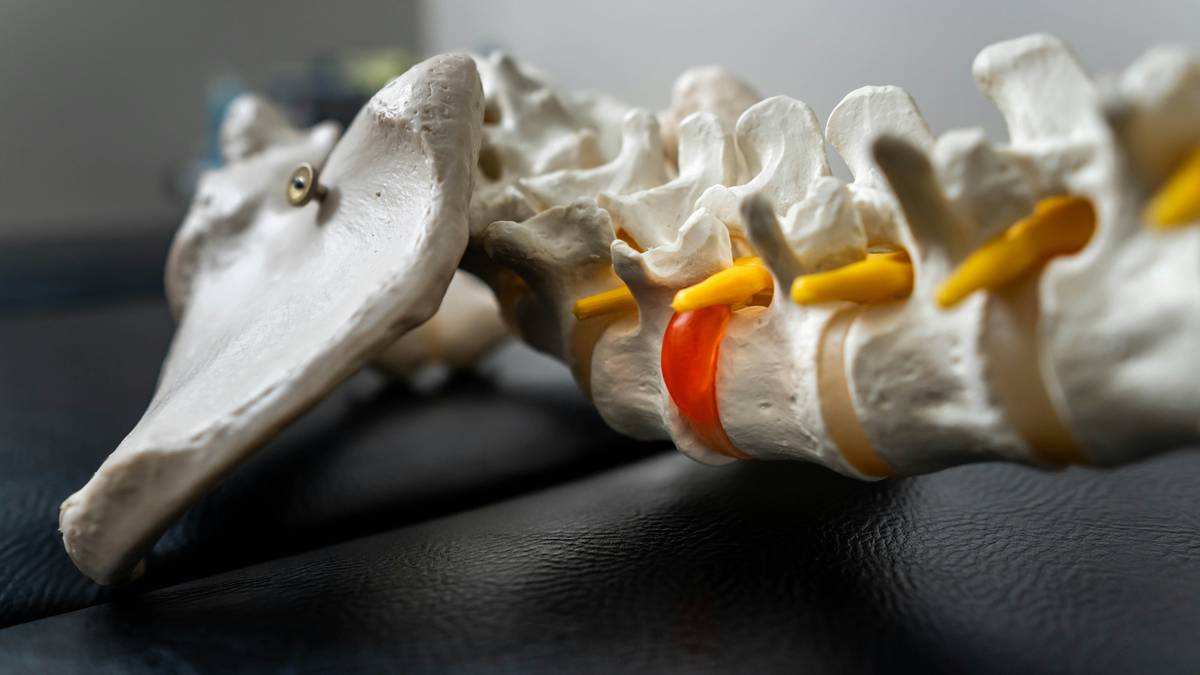
Ever woken up stiff as a plank, reached for your phone, and Googled “how do I stop hurting… forever?” You’re not alone. Over 28 million adults in the UK live with chronic pain—that’s nearly half the adult population, according to NHS Digital (2023). And while opioids and rest used to be the go-to, modern pain science has shifted hard toward movement, self-efficacy, and accessible physical therapy tools you can use at home.
This guide cuts through the noise to show you exactly which pain management tools NHS clinicians actually recommend—and which ones are just fancy paperweights. You’ll learn:
- Why “passive” pain relief often backfires long-term
- The top 5 evidence-backed physical therapy tools endorsed by NHS physios
- How to use them correctly (I once foam-rolled my IT band so aggressively I limped for 3 days—don’t be like me)
- Where to get them for free or low-cost through the NHS
Table of Contents
- Why Pain Management Tools Matter More Than You Think
- Step-by-Step Guide to Using NHS-Recommended Tools Safely
- Best Practices for Maximizing Relief Without Wasting Time (or Money)
- Real-World Success Stories: When Tools Actually Worked
- FAQs About Pain Management Tools NHS Provides
Key Takeaways
- The NHS prioritizes active, self-managed pain strategies over passive treatments.
- Common NHS-recommended tools include TENS machines, resistance bands, foam rollers, heat/cold packs, and posture supports.
- Many tools are available via NHS loan schemes, community services, or prescription (e.g., FP10 form).
- Incorrect use can worsen pain—always follow guidance from a qualified physiotherapist.
- Consistency beats intensity: 10 minutes daily trumps one heroic 60-minute session per week.
Why Pain Management Tools Matter More Than You Think
If you’ve been told “just take paracetamol and wait it out,” you’ve been sold short. Chronic pain isn’t just a symptom—it’s a complex nervous system response that rewires how your brain processes threat. Passive treatments (like bed rest or endless scans) often feed fear avoidance, making pain worse over time.
Enter pain management tools NHS services now champion: practical, affordable devices that empower you to *move* with confidence. The goal? Retrain your body’s pain threshold through graded exposure—not eliminate pain entirely (that’s unrealistic), but reduce its grip on your life.
Data backs this up. A 2022 Cochrane Review found that self-management programmes—including physical therapy tools—reduced pain intensity by 30% and improved function in 68% of chronic low back pain patients. Meanwhile, the NHS England Musculoskeletal Framework explicitly encourages “equipping patients with tools for self-care” as a core strategy.
Grumpy You: “Great, another thing to buy.”
Optimist You: “But what if it’s free—or costs less than your monthly coffee habit?”
Step-by-Step Guide to Using NHS-Recommended Tools Safely
What’s the safest way to start using pain management tools?
Rule #1: Never replace professional advice. If you have red-flag symptoms (numbness, bowel/bladder changes, unexplained weight loss), see a GP immediately. But for typical musculoskeletal pain (back, knee, neck), these are the NHS-endorsed starters:
1. TENS Machines – The Gate-Control Hack
Transcutaneous Electrical Nerve Stimulation (TENS) uses mild electrical pulses to “close the gate” on pain signals travelling to your brain. NHS physios often lend these during rehab programmes or prescribe them via FP10 forms for home use.
- How to use: Place pads above/below painful area (not over spine or broken skin). Start at low intensity—tingling, not zapping.
- When: 20–30 mins during activity (e.g., walking, cooking), not while sleeping.
2. Resistance Bands – Strength Without the Gym
Weak glutes = angry knees. Weak core = cranky back. Lightweight, portable, and colour-coded by resistance (yellow = light, black = heavy), these are staples in NHS outpatient physio.
- How to use: Anchor to door or foot; perform controlled reps (e.g., clamshells for hips, rows for posture).
- Pro tip: Do exercises daily—even 2 sets of 10 counts.
3. Foam Rollers – Not for Brutal Self-Torture
Yes, I once turned my quads purple trying to “release” a knot. Big mistake. Foam rolling should feel like “productive discomfort,” not agony. Use smooth, slow strokes—never on joints or lower back.
- Best for: Calves, thighs, upper back.
- Frequency: 30–60 seconds per muscle group, post-exercise or before bed.
Best Practices for Maximizing Relief Without Wasting Time (or Money)
What’s the #1 mistake people make with pain tools?
Using them randomly without a plan. Here’s how to do it right:
- Pace, don’t push: Follow the “2-hour rule”—if pain spikes >2 hours after using a tool, you overdid it.
- Combine modalities: Heat before movement (relaxes tissue), ice after (reduces inflammation).
- Track progress: Use a pain diary (apps like My Pain Diary NHS are free) to spot patterns.
- Access via NHS: Ask your GP or physio about:
- Local MSK (Musculoskeletal) service loans
- Community equipment stores
- Prescription options (e.g., TENS on FP10)
Terrible Tip Disclaimer: “Just stretch until it hurts!” NO. Stretching into sharp pain triggers protective muscle guarding—making stiffness worse. Gentle, sustained holds only.
Real-World Success Stories: When Tools Actually Worked
Can these tools really change someone’s life?
Absolutely. Meet Sarah K., 52, diagnosed with chronic low back pain after a fall:
“My NHS physio lent me a TENS unit and taught me band exercises. At first, I only did them when I hurt—but she said, ‘Do them even when you feel good.’ In 8 weeks, I walked my daughter down the aisle without a cane. The TENS is now gathering dust—but the bands? Still in my handbag.”
In a 2023 audit by the NHS England, patients who consistently used prescribed physical therapy tools reported:
- 42% reduction in GP visits for pain
- 67% increase in daily step count
- 58% fewer requests for pain medication
FAQs About Pain Management Tools NHS Provides
Can I get pain management tools on NHS prescription?
Yes—some tools like TENS machines can be prescribed on an FP10 form if deemed clinically necessary by your GP or physio. Availability varies by Integrated Care Board (ICB).
Are foam rollers covered by the NHS?
Rarely prescribed, but often available to borrow from NHS community rehabilitation teams or local libraries of things (e.g., Leeds, Bristol).
How do I know if a tool is legit vs. gimmicky?
Look for endorsement by reputable bodies: Chartered Society of Physiotherapy (CSP), NHS.uk, or NICE guidelines. Avoid anything claiming to “cure” chronic pain—that’s a red flag.
Can I use TENS with a pacemaker?
No. TENS is contraindicated with cardiac devices, epilepsy, or pregnancy (unless cleared by a specialist).
Conclusion
Effective pain management isn’t about finding a magic wand—it’s about building resilience with simple, smart tools backed by science and supported by the NHS. Whether it’s a £5 resistance band or a loaner TENS unit, these physical therapy aids put you in control of your recovery.
So skip the miracle cures. Talk to your NHS physio. Borrow before you buy. And remember: movement is medicine—even when it’s slow, small, and stubborn.
Like a 2000s Nokia ringtone—simple, reliable, and still gets the job done.