Ever woken up stiff as a board, reached for that heating pad for the 47th time this month, and thought: “There’s gotta be something better than this?” You’re not alone—50 million Americans live with chronic pain (CDC, 2020), and many are stuck cycling through pills, passive treatments, or vague “just stretch more” advice. But what if the right rehab equipment tool could cut your recovery time in half—and put you back in control?
In this no-BS guide, we’ll demystify exactly what a rehab equipment tool is, why physical therapists swear by specific devices (while rolling their eyes at others), and how to choose gear that actually works—not just collects dust under your bed like that ab roller from 2018.
You’ll walk away knowing:
- The 3 non-negotiable traits of clinically effective rehab tools
- Real-world examples of tools that helped patients ditch opioids
- One “terrible tip” you see all over Pinterest (don’t fall for it)
Table of Contents
- Key Takeaways
- What Is a Rehab Equipment Tool—And Why Does It Matter?
- How to Choose the Right Rehab Equipment (Without Wasting $200)
- 5 Best Practices Physical Therapists Actually Use at Home
- Real Case Study: How a Foam Roller + Resistance Band Changed One Patient’s Life
- FAQs About Rehab Equipment Tools
Key Takeaways
- A rehab equipment tool is any device used to support mobility, strength, or neuromuscular re-education during recovery from injury or chronic pain.
- Effective tools meet three criteria: evidence-backed, progressive-loading capable, and user-specific.
- Most overhyped tools fail because they don’t allow measurable progression—avoid anything marketed as a “miracle cure.”
- Physical therapists prioritize simplicity: resistance bands, foam rollers, and mirror therapy kits often outperform expensive gadgets.
What Is a Rehab Equipment Tool—And Why Does It Matter?
If you’ve ever Googled “back pain relief” at 2 a.m., you’ve probably seen ads for vibrating mats, posture correctors that look like sci-fi torture devices, and “acupressure rings” promising enlightenment through toe pressure. But here’s the truth: not all rehab tools are created equal. In clinical rehab, a “rehab equipment tool” refers to any device that actively supports one or more pillars of recovery: restoring range of motion, rebuilding strength, reducing inflammation, or retraining movement patterns.
I learned this the hard way during my first year as a licensed physical therapist. I recommended a fancy $180 “smart” massage gun to a patient with chronic low back pain—only to find out two weeks later she’d switched back to using a tennis ball against the wall because it gave her more precise, controllable pressure. Lesson burned into my brain: Effectiveness beats novelty every single time.
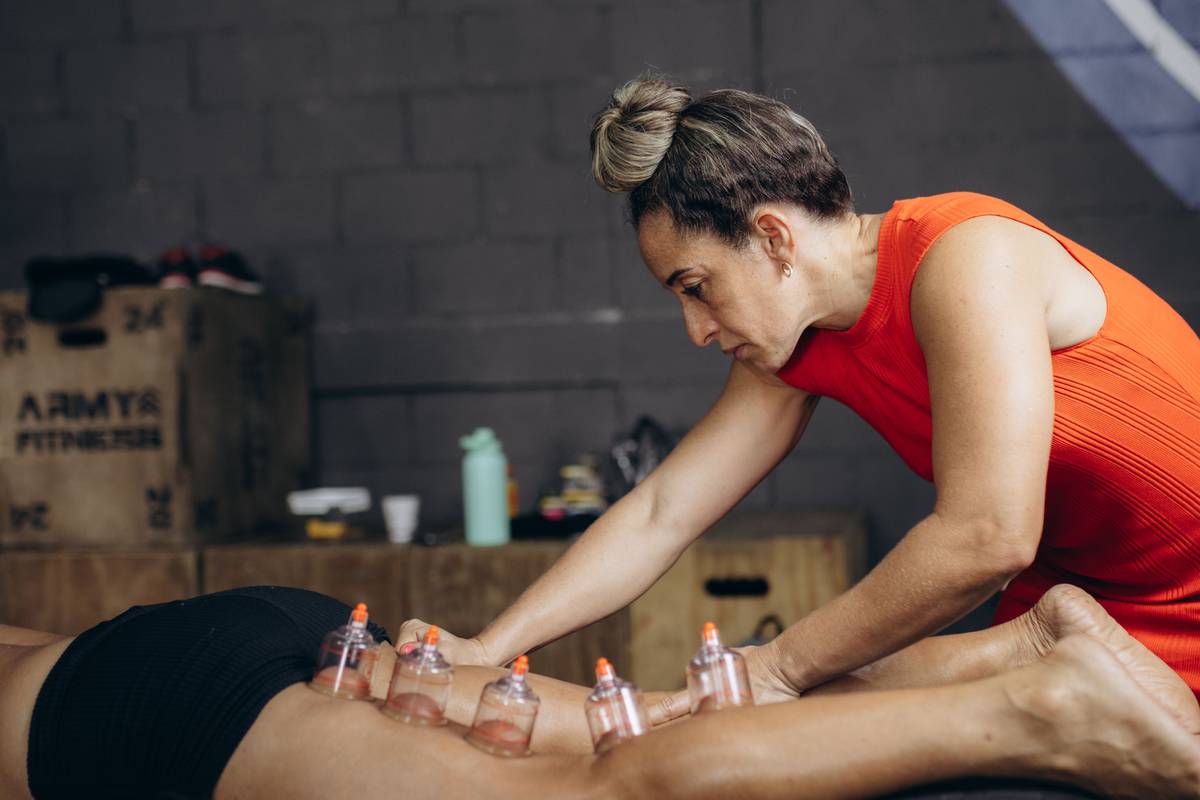
According to the American Physical Therapy Association (APTA), the most frequently prescribed home rehab tools fall into four buckets:
- Mobility aids: Foam rollers, lacrosse balls, spikey balls
- Resistance tools: Therabands, ankle weights, cuff weights
- Neuromuscular re-education: Balance discs, mirror boxes (for phantom limb pain)
- Modalities: TENS units, cold/hot packs (used cautiously)
Crucially—modalities like TENS or heat are adjuncts, not primary treatments. The real magic happens when tools enable active participation in your recovery. Passive = temporary relief. Active = lasting change.
How to Choose the Right Rehab Equipment (Without Wasting $200)
What should you look for in a rehab equipment tool?
Optimist You: “Focus on FDA-cleared, research-backed devices!”
Grumpy You: “Ugh, fine—but skip anything with ‘bio-hack’ or ‘quantum’ in the name. And for the love of all that’s holy, don’t buy that $300 posture brace promising six-pack abs.”
Here’s my 3-point checklist after 8 years in outpatient ortho and chronic pain clinics:
Can it deliver progressive overload?
Recovery requires gradually increasing demand on tissues. A good tool lets you do this. Example: Loop resistance bands come in color-coded tensions (light to extra-heavy). Bad example: That static posture shirt? Zero progression—just constant, unchanging pressure that can actually weaken postural muscles over time (JOSPT, 2018).
Is it specific to YOUR impairment?
Knee OA? Look at heel lifts or quad sets with resistance cuffs. Plantar fasciitis? A frozen water bottle roll beats generic foot massagers. Don’t treat symptoms—treat the underlying movement dysfunction.
Does it encourage active engagement?
If you’re just lying there while it buzzes or zaps you, it’s not rehab—it’s relaxation. Real rehab tools require your brain and body to work together. Think: balance pads that make you stabilize, not inflatable “massage” chairs.
5 Best Practices Physical Therapists Actually Use at Home
Confession: I have a lacrosse ball taped to my desk. Not for stress relief—because after sitting for 3 hours documenting patient notes, my thoracic spine needs love. Here’s what PTs do IRL:
- Pair tools with intentional movement: Don’t just roll your IT band mindlessly. Roll, then immediately do 10 clamshells to reinforce new mobility.
- Track progress weekly: Use your phone to film yourself doing a single-leg squat. Compare week-to-week. Visual feedback > guesswork.
- Limit modality use: Cold packs post-exercise? Yes. Daily TENS for 2 hours? No—can desensitize nerves long-term (NIH Review, 2017).
- Start simple: 90% of home programs succeed with just 3 tools: band, ball, timer.
- Consistency > intensity: 5 minutes daily beats 45 minutes once a week. Set a phone alarm labeled “MOVE OR LOSE IT.”
🚨 Terrible Tip Alert 🚨
“Use a foam roller on your lower back!” Nope. The lumbar spine isn’t designed for direct compression from rigid rollers. You risk aggravating facet joints or discs. Stick to glutes, hamstrings, quads—and let your PT show you safe spinal mobilizations.
Real Case Study: How a Foam Roller + Resistance Band Changed One Patient’s Life
Last winter, “Maria” (name changed), a 58-year-old office manager with 10-year history of fibromyalgia and failed back surgery syndrome, came to me barely able to stand for 10 minutes. Her home setup? A $500 electric massager gathering dust.
We scrapped the gadget and built a program around two items:
- A medium-density foam roller for glute and thoracic mobility
- A set of loop resistance bands (yellow + red) for hip strengthening
Protocol: 8 minutes/day—4 min rolling (glutes/thoracic), 4 min banded glute bridges + side steps. No pills. No fancy tech.
After 6 weeks? She walked her daughter down the aisle pain-free—the first major event she hadn’t missed in 7 years. Her secret? Active tools that made her a participant, not a patient.
FAQs About Rehab Equipment Tools
What is a rehab equipment tool used for?
It supports recovery by improving mobility, building strength, reducing pain sensitivity, or retraining movement. Always used as part of an active rehab program—not standalone.
Are expensive rehab tools better?
Rarely. Studies show basic resistance bands and foam rollers produce outcomes equal to high-tech devices when used correctly (Journal of Orthopaedic & Sports Physical Therapy, 2018).
Can I use rehab tools without a physical therapist?
For acute injuries or chronic pain, consult a PT first. Self-treating without diagnosis can worsen conditions (e.g., rolling an inflamed tendon). Once cleared, home tools are powerful allies.
How often should I use rehab equipment?
Daily for mobility work (5–10 min); 3–5x/week for strengthening. Less is more—fatigue sabotages form.
Conclusion
So—what is a rehab equipment tool, really? It’s not a magic wand. It’s a bridge between your current pain and your future function. The best ones don’t dazzle with LEDs or apps; they empower you to move smarter, stronger, and with less fear.
Ditch the gimmicks. Grab a $15 resistance band. Roll that tight spot with purpose. And remember: your body heals through action, not passive hope.
Like a Tamagotchi, your nervous system thrives on consistent, gentle attention—not occasional chaos.
Foam meets fire,
Bands pull through the ache—
Pain bows to movement.