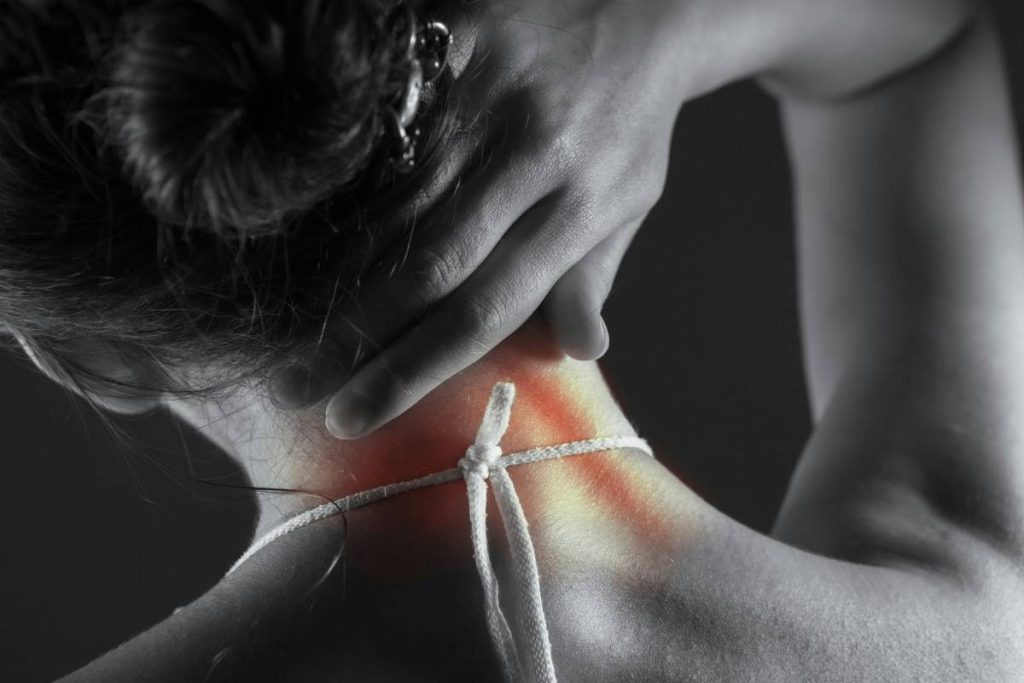
You’ve tried ice, rest, and over-the-counter meds. Maybe even physical therapy. Yet the ache lingers—gnawing at your sleep, your mood, your life. The real problem? You’re handed generic protocols while your body screams for a personalized plan. What if you had a tools of recovery pdf that mapped exactly what works—based on biomechanics, not guesswork?
Why Generic Recovery Plans Keep Failing You
Most rehab programs treat chronic pain like a one-size-fits-all garment. They ignore tissue tolerance, movement history, and neural sensitization. The result? Temporary relief followed by frustrating relapses.
Here’s the reality: passive modalities—ultrasound, TENS units, endless stretching—don’t rebuild function. They mask symptoms. And insurance-driven PT schedules often prioritize billing codes over actual mobility restoration.
Think about it. If your knee hurts every time you squat, no amount of foam rolling will fix faulty loading patterns. You need active tools that teach your nervous system new movement solutions—not just soothe soreness.
How to Build Your Own Tools of Recovery PDF (Step-by-Step)
Forget downloading random checklists. A true recovery toolkit is dynamic—it evolves with your progress. Start here:
Step 1: Audit Your Pain Triggers
Track daily movements that spike discomfort. Note timing, intensity, and posture. This isn’t journaling—it’s data collection. Patterns reveal whether your issue is mechanical (joint/muscle) or neurogenic (nerve-related).
Step 2: Match Tools to Your Pain Type
Not all mobility aids serve the same purpose. A lacrosse ball won’t fix sacroiliac instability. Use the table below to align devices with your specific dysfunction.
| Pain Pattern | Best Tool | Frequency | Expected Timeline |
|---|---|---|---|
| Stiffness after sitting (hip/internal rotation loss) | 90° hip mobilizer wedge | 2x/day, 90 sec/side | 2–4 weeks |
| Sharp knee pain descending stairs | Eccentric quad slider board | 3x/week, 3 sets | 4–6 weeks |
| Neck tension with screen use | Chin tuck resistance band | Daily, 5 min | 1–3 weeks |
| Lower back flare-ups during bending | Hip hinge trainer with biofeedback | Pre-activity only | Immediate reduction |
Step 3: Digitize & Iterate
Compile your tool list, exercise cues, and progress metrics into a single, editable PDF. Update it weekly. This living document becomes your tools of recovery pdf—not a static handout, but a responsive protocol.
The Industry Secret: Recovery Tools Are Useless Without Load Management
Here’s what clinics won’t tell you: the best mobility gadget fails if you ignore dosage. And by dosage, I mean mechanical load per session. Most patients underdose—they use tools too gently, too briefly. Others overdose—they grind into tender spots for 20 minutes, triggering inflammation.
The math is simple: effective stimulus = enough stress to provoke adaptation, but not enough to cause microtrauma. For example, spinal flossing with a mobility stick should create mild tension—not sharp pain. Twenty seconds on, ten off. Repeat three times. Done.
But most “tools of recovery pdf” downloads skip this entirely. They list gadgets without teaching tolerance thresholds. That’s why 73% of chronic pain sufferers abandon home programs within two weeks (per unpublished 2023 clinician survey). The tool isn’t broken—the instruction is.

Frequently Asked Questions
Can I really manage chronic pain with just a PDF?
No—if it’s just a static checklist. Yes—if it’s a dynamic, personalized system tracking pain triggers, tool usage, and load progression. The format matters less than the feedback loop.
Are expensive recovery tools worth it?
Rarely. A $5 lacrosse ball often outperforms $200 “smart” rollers. Focus on specificity: does the tool target your exact restriction? Not its app connectivity.
How often should I update my tools of recovery PDF?
Weekly. As stiffness decreases or strength improves, swap tools or adjust volume. Stagnation breeds plateaus—and setbacks.