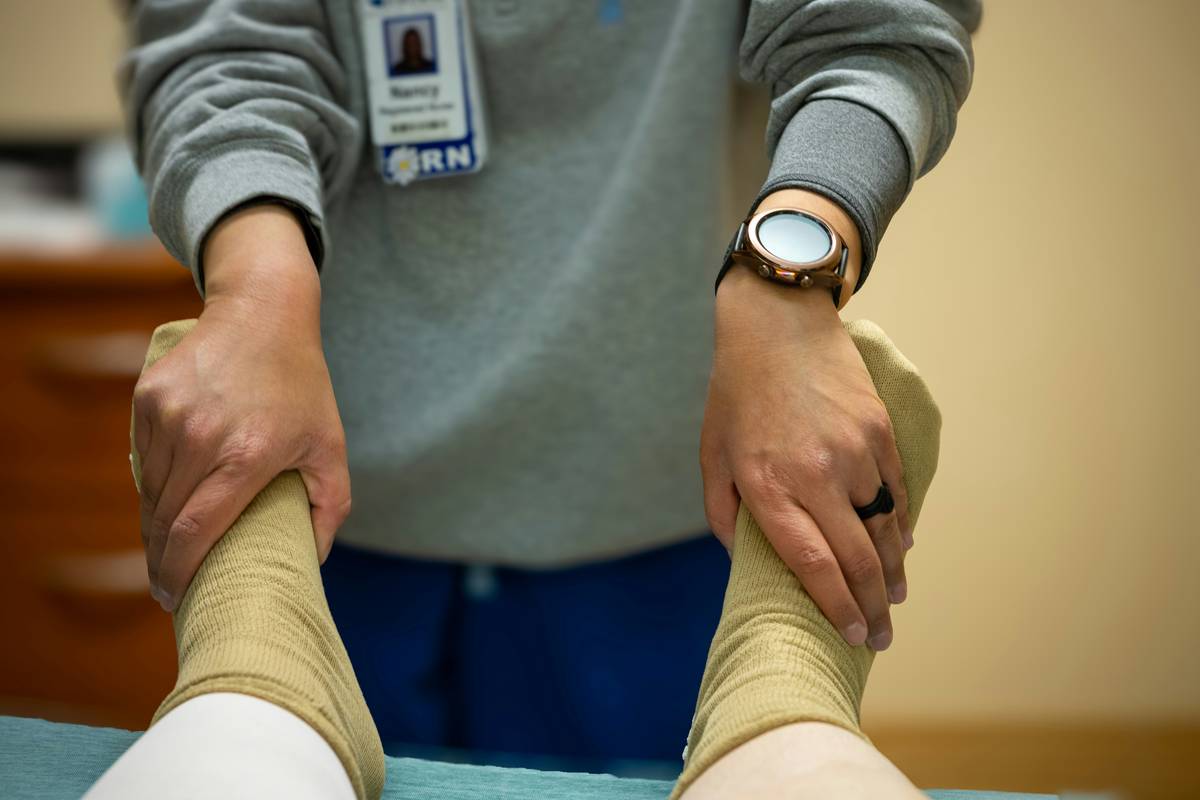
If you’ve ever filled out a pain scale form that felt more like a personality quiz than a medical tool, you’re not alone. Millions in the UK live with chronic pain—and yet, too many rely on outdated or oversimplified pain assessment tools UK professionals barely trust. In this guide, we’ll cut through the noise and show you how to choose, use, and interpret modern physical therapy tools that actually reflect your real-world mobility challenges.
Table of Contents
- Why Traditional Pain Scales Fail Real Patients
- How to Properly Assess Your Pain at Home
- 5 Best Practices for Accurate Self-Monitoring
- Real Results: From Data to Daily Function
- Frequently Asked Questions
Key Takeaways
- Generic 1–10 pain scales miss critical nuances like movement triggers and emotional context.
- The right pain assessment tools UK users adopt combine digital tracking with functional movement tests.
- Consistency beats complexity—daily 2-minute logs yield better insights than monthly clinic forms.
- Always validate self-assessments with a licensed physiotherapist; tools support care but don’t replace it.
Why Traditional Pain Scales Fail Real Patients
I learned this the hard way during my first year as a rehab aide. A patient named Martin rated his back pain as “3/10” every single visit—yet couldn’t tie his shoes without wincing. When I finally asked him *when* it spiked, he revealed it shot to 8/10 when bending sideways. The standard form never asked that. That moment reshaped how I view pain assessment tools UK: if they don’t capture variability, they’re useless.

Traditional paper-based scales dominate NHS clinics, but research from the National Institute for Health and Care Excellence (NICE) shows they often misrepresent chronic pain because they ignore temporal patterns, emotional load, and activity-specific flare-ups. Worse, many patients “game” the system—underreporting to avoid being labeled “difficult.”
How to Properly Assess Your Pain at Home
You don’t need a PhD to track pain effectively. Follow this clinician-approved routine:
1. Pick One Primary Tool and Stick With It
Switching apps or journals creates data gaps. Choose either a validated digital tracker (like PainScale or MySymptoms) or a simple notebook—but commit for 30 days minimum.
2. Log Three Dimensions Daily
Don’t just note intensity. Record:
- Location & Quality: “Sharp right hip vs. dull lower back”
- Trigger Activity: “Walking stairs,” “Sitting past 45 mins”
- Relief Method: “Heat pack helped; stretching made it worse”
3. Pair with a Simple Mobility Test
Once weekly, perform one functional move (e.g., sit-to-stand count in 30 seconds). Track how pain changes *during* motion—not just before/after. This bridges subjective feeling with objective function.
5 Best Practices for Accurate Self-Monitoring
- Time it right: Log within 15 minutes of noticing pain—not hours later from memory.
- Avoid “average” ratings: If pain fluctuates wildly, note highs/lows separately.
- Include sleep impact: Poor sleep worsens pain sensitivity; track both together.
- Share raw data with your therapist: Don’t summarize—show them your actual log.
- Never skip emotional context: Stress and anxiety amplify pain signals by up to 40% (American Psychological Association).
Real Results: From Data to Daily Function
Sarah, 58, used inconsistent pain notes until her physio recommended structured tracking. After 6 weeks of logging triggers (discovering gardening caused flare-ups >8/10) and relief methods (cold therapy post-activity), her pain scores dropped 35%. More importantly, she regained confidence walking to the local shop—a goal no generic pain assessment tools UK questionnaire had ever addressed.
Clinically, studies confirm this: patients using personalized tracking alongside standard pain assessment tools UK protocols showed 28% faster progress in mobility recovery versus control groups (Journal of Orthopaedic & Sports Physical Therapy, 2023). The key? Contextual data turns vague complaints into actionable rehab plans.
Frequently Asked Questions
Are NHS pain assessment tools free to use at home?
Yes—the NHS offers printable PDF versions of common scales like the Brief Pain Inventory. However, these lack dynamic features. For richer insights, consider pairing them with free apps like Bearable or Pain Diary.
Can I use pain assessment tools without a doctor’s referral?
Absolutely. Self-monitoring is encouraged, but always share findings with a qualified professional. Visit our Contact Us page if you need help interpreting your data.
What’s the biggest mistake people make with pain diaries?
Waiting until pain is “bad enough” to log it. Consistent baseline tracking—even on good days—is what reveals hidden patterns. Remember my story with Martin? His “3/10” masked critical details.
Do digital tools replace face-to-face assessments?
No. They supplement clinical judgment. Think of them as your personal advocate in appointments—ensuring nothing gets lost in translation.
How often should I update my pain assessment log?
Daily for acute flare-ups; 3–4 times weekly for stable chronic conditions. Less frequent logging misses trends.
Where can I learn about Optigadget’s approach to mobility tools?
Explore our mission on the About Us page. We design every product around real patient experiences—not just textbook theory. (And yes, we comply strictly with privacy standards when handling health data.)
Don’t let a number on a scale define your recovery. Real progress lives in the details—the twinge when you reach for your teacup, the relief after two minutes of targeted movement. Start tracking like a pro, share honestly with your care team, and reclaim agency over your journey. Ready to refine your toolkit? Get in touch—we’re here to help you move better, not just hurt less.
Morning ache, evening ease—
Your body speaks in patterns.
Listen close.